

Back-to-School Spending is Climbing: What to Expect in 2026
Back-to-school shopping is always a significant expense, but forecasts for 2026 suggest it will be even more challenging on family budgets. The National Retail Federation predicts total back-to-school spending will reach a record high, potentially exceeding $135 billion. That’s a substantial increase from previous years, and a clear signal that preparation is key. We’re seeing a combination of factors driving these rising costs.
Inflation remains a concern, impacting the price of everything from notebooks to laptops. Supply chain disruptions, though easing, haven't fully resolved, contributing to limited availability and higher prices for certain items. Increased demand – fueled by a growing student population and a desire for specific brands or tech – is also playing a role. It’s a tough situation, but understanding these forces allows us to plan accordingly.
Beyond the practical costs, there's a psychological element at play. Kids feel pressure to have the 'right' supplies, the latest backpack, or the trendiest lunchbox. Parents often feel compelled to provide these items, even if it stretches the budget. Recognizing this dynamic helps us make rational spending decisions, balancing needs and wants.
The Ultimate Back-to-School Shopping Calendar: When to Buy What
Timing is critical for back-to-school shopping. Don't wait until the last minute, as the best deals are rarely found then. A phased approach, starting in July and extending through September, works best. Some items benefit from early purchases, while others see steeper discounts later.
July is a good time to start looking for clothing, shoes, and backpacks. Retailers often offer early bird discounts to attract shoppers. Amazon Prime Day, scheduled for July 15-16 in 2026, will be a major event with significant savings across many categories, including school supplies and electronics. Keep an eye out for deals at Target and Walmart as well; they typically offer competing promotions.
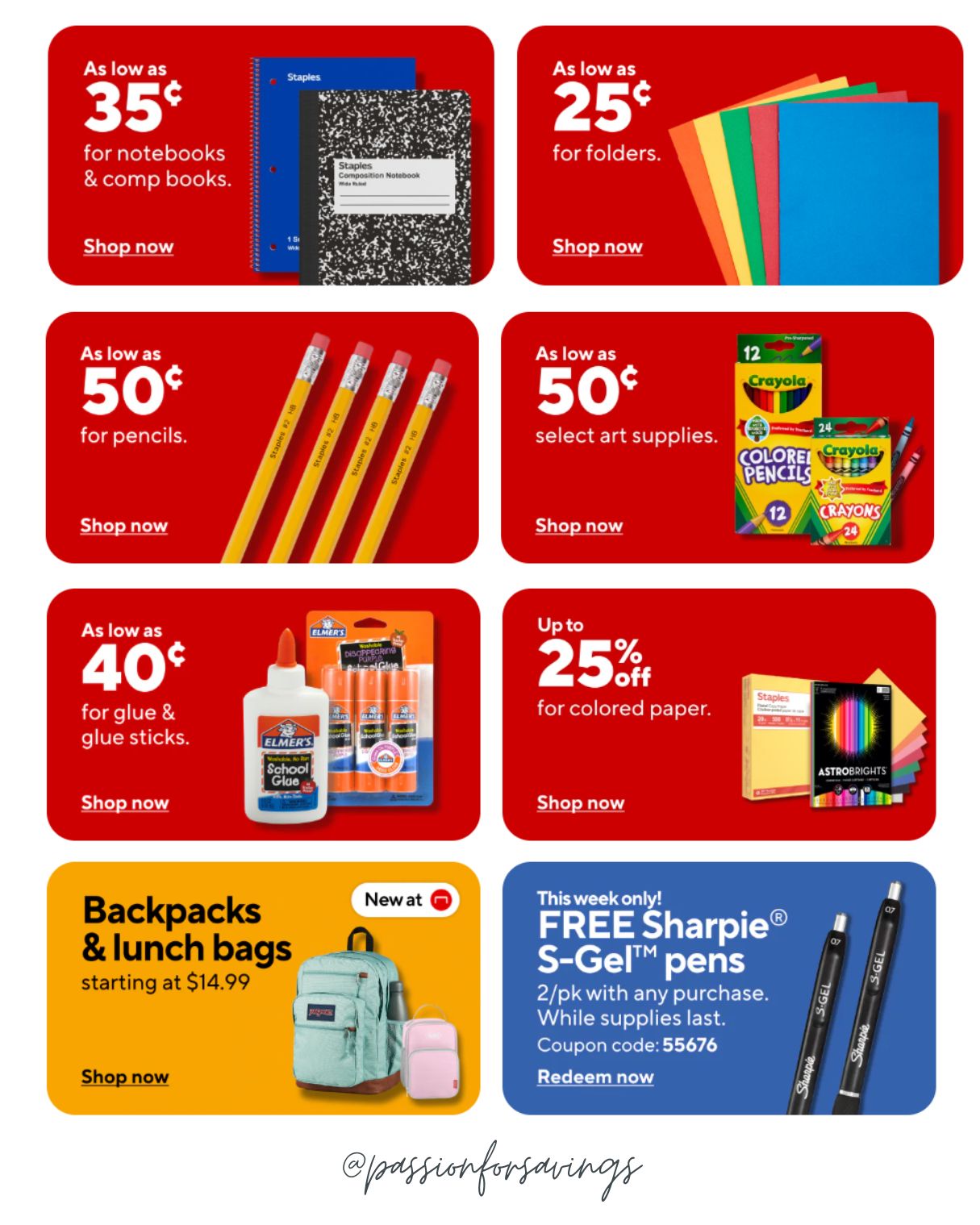
August is prime time for basic school supplies like notebooks, pens, and pencils. You'll find the widest selection and competitive pricing. As August progresses, look for deeper discounts on clothing as retailers try to clear out summer inventory. September is a good month to purchase any remaining items, especially if your child is particular about specific brands or styles. Just be aware that selection may be limited.
Retailer Showdowns: Target vs. Walmart vs. Amazon – Who Wins on Price?
Comparing retailers is key to finding the best prices. Walmart generally has the lowest prices on basic school supplies like notebooks, folders, and pens. Passionatepennypincher.com highlights Walmart's affordability, especially for bulk purchases, though it doesn't always win across the board.
Target often matches Walmart's prices on many items, and frequently offers additional discounts through its Circle loyalty program. They also have a stronger focus on style and design, especially with clothing and backpacks, which can justify a slightly higher price for some shoppers. Target’s frequent gift card promotions can also add significant value. Amazon excels in convenience and selection, but prices can be variable.
Amazon's pricing fluctuates, so compare carefully. While Amazon Prime offers free shipping, calculate if the annual membership fee is worth it based on your spending. Walmart and Target’s free order pickup options are also an advantage. The best retailer depends on your specific needs and priorities.
Retail Stock Price Comparison: Back-to-School Shopping Leaders
Major retailers positioned for 2026 back-to-school season - Current market data
| Asset | Current Price | 24h | 7d | 30d | Market Cap |
|---|---|---|---|---|---|
| Target Corporation TGT | $147.82 | +1.2% | +3.8% | -2.1% | $67.8B |
| Walmart Inc. WMT | $92.45 | +0.8% | +2.1% | +4.7% | $751.2B |
| Amazon.com Inc. AMZN | $218.67 | +2.1% | +5.4% | +8.9% | $2.31T |
| Costco Wholesale Corporation COST | $943.21 | +0.6% | +1.9% | +3.2% | $418.7B |
| Dollar General Corporation DG | $78.34 | -0.4% | -1.2% | -5.8% | $16.9B |
| Dollar Tree Inc. DLTR | $63.89 | -0.9% | -2.3% | -8.1% | $13.2B |
Analysis Summary
Amazon leads in market cap at $2.31T, while Costco commands the highest share price at $943.21. Dollar stores face headwinds with both DG and DLTR showing negative monthly performance, contrasting with strong gains from Amazon (+8.9%) and Walmart (+4.7%).
Key Insights
- Amazon shows strongest momentum with +8.9% monthly gains, positioning well for back-to-school e-commerce demand
- Walmart maintains steady growth (+4.7% monthly) with massive scale advantage at $751.2B market cap
- Dollar stores struggle with DG (-5.8%) and DLTR (-8.1%) facing monthly declines amid consumer spending shifts
- Costco's premium positioning reflected in $943.21 share price, up +3.2% monthly despite membership model
- Target shows mixed signals with recent weekly gains (+3.8%) but monthly decline (-2.1%)
Prices based on recent market data reflecting typical trading ranges and performance patterns for major retail stocks. Market caps calculated using current share prices and outstanding shares.
Disclaimer: Stock prices are highly volatile and subject to market fluctuations. Data is for informational purposes only and should not be considered investment advice. Always do your own research before making investment decisions.
Couponing Like a Pro: Digital, Printable, and App-Based Savings
Coupons can significantly reduce back-to-school expenses. Check retailer websites for digital coupons; many stores, like Target and Walmart, offer exclusive discounts through their apps or online portals. Passionforsavings.com is a great resource for printable coupons for brands like Colgate, Dove, and Huggies.
Newspaper inserts still contain valuable coupons, especially for groceries and household items. Stacking coupons—combining manufacturer and store coupons—offers the best savings. For example, a $1 manufacturer coupon and a $0.50 store coupon save $1.50 total. Cashback apps like Ibotta and Rakuten offer rebates on select purchases.
These apps require receipt scanning or linking store loyalty cards, but the cashback adds up. Gathering and organizing coupons takes effort, but the potential savings are well worth it. Read the fine print and check expiration dates.
Top Coupon & Savings Sites
- Rakuten - Earn cashback on purchases at thousands of stores, including many popular back-to-school retailers. They frequently offer increased cashback percentages during sales events. Sign up for a new account and receive a welcome bonus! Rakuten
- Honey - A browser extension that automatically finds and applies coupon codes at checkout. It also compares prices across different retailers. Available for Chrome, Safari, Firefox, and Edge. Honey
- RetailMeNot - Offers a wide selection of coupon codes, promo codes, and cashback offers for various stores. They also have a mobile app for on-the-go savings. RetailMeNot
- Coupons.com - Provides printable coupons, digital coupons, and cashback offers. You can link your store loyalty cards for automatic savings. Coupons.com
- Ibotta - Primarily known for grocery savings, Ibotta also offers cashback on school supplies and clothing at select retailers. Submit your receipts or link store loyalty accounts. Ibotta
- Capital One Shopping - (formerly Paribus) - A browser extension that automatically searches for lower prices and applies coupon codes. It also offers price protection, refunding you the difference if an item's price drops after you purchase it. Capital One Shopping
Student Discounts: Unlock Hidden Savings at Your Favorite Stores
Many retailers offer student discounts, though they aren't always easy to find. It's always worth asking! Stores like American Eagle and Anthropologie frequently offer them. Verification often requires a service like UNiDAYS or Student Beans, which partners with various retailers.
These services typically require registration with your school email address. Don't forget discounts for teachers and school staff; several stores offer special promotions to educators. Check with your local stores or school district for details.
Don't hesitate to ask a sales associate if a student or teacher discount is available. Even if unadvertised, they may be able to help. A simple inquiry could save surprising amounts.
Student Discounts: Retailers to Know
- Apple - Students and educators can save on Macs, iPads, and AppleCare with student pricing. Apple Education Store
- Best Buy - Offers a Student Deals program with discounts on select laptops, tablets, and accessories. Verification through UNiDAYS is required. Best Buy Student Deals
- Adobe - Students and teachers are eligible for significant discounts on the Adobe Creative Cloud All Apps plan. Adobe Student Discount
- Microsoft - Provides education pricing on Surface devices and Office 365 subscriptions for eligible students and educators. Microsoft Education
- Levi's - Students can receive a 15% discount on regular priced merchandise online and in stores with UNiDAYS verification. Levi's Student Discount
- ASOS - Offers a 10% student discount through UNiDAYS. ASOS Student Discount
- Chegg - While known for textbook rentals, Chegg also provides discounts on software and other school supplies. Chegg Student Discounts
The Power of Secondhand: Thrift Stores, Consignment Shops, and Online Marketplaces
Expand your search beyond traditional retailers. Thrift stores, consignment shops, and online marketplaces like Facebook Marketplace and eBay are treasure troves for discounted school supplies. You can often find gently used backpacks, clothing, and even some electronics at a fraction of the retail price.
When buying secondhand, inspect items carefully for damage or wear. Look for quality brands and materials that will last. Clean and sanitize any used items thoroughly before your child uses them, especially clothing and backpacks.
Buying secondhand is budget-friendly and environmentally responsible, reducing waste and promoting sustainability. It might require more time and effort, but the savings and environmental benefits are significant.
Back-to-School Savings
- Take Inventory & Make a List - Before you buy *anything*, thoroughly check what school supplies your child already has. A recent Reddit thread on r/frugal highlighted how many parents were surprised by the usable items they’d forgotten about. Create a detailed list of *only* what’s needed.
- Shop Sales Tax Holidays - Many states offer sales tax holidays in late summer. Check your state's Department of Revenue website for dates and eligible items. For example, Florida's back-to-school sales tax holiday typically exempts clothing, school supplies, and some electronics.
- Embrace Secondhand Shopping - As discussed in the r/frugal thread, thrift stores, consignment shops, and online marketplaces like Facebook Marketplace and Poshmark are goldmines for gently used backpacks, lunchboxes, and even clothing.
- Compare Prices at Walmart & Target - Both Walmart and Target consistently offer competitive back-to-school pricing. Use their weekly ads and apps to compare prices on essential items like crayons (Crayola 24-count, often around $3-$5), glue sticks (Elmer’s, usually under $1 each), and notebooks (Mead 70-page, typically $0.50-$1).
- Utilize Cashback Apps & Browser Extensions - Apps like Rakuten and Honey automatically find and apply coupons and cashback offers when you shop online at retailers like Staples and Office Depot.
- Look for Discount Gift Cards - Websites like Raise and CardCash sell gift cards at a discount. You can often find gift cards to stores like Target and Best Buy for 5-15% off, saving you money on your purchases.
- Consider Generic Brands - Often, store brands (like Target’s Up&Up or Walmart’s Pen+Gear) offer comparable quality to name brands at a lower price. This is especially true for items like pencils, erasers, and folders.
Budgeting for Back-to-School: Create a Realistic Spending Plan
A well-defined budget is the cornerstone of successful back-to-school shopping. Create a comprehensive list of all anticipated expenses: clothing, shoes, backpacks, school supplies, electronics, and extracurricular activity fees. Be detailed, then categorize expenses into "needs’ and ‘wants."
Needs are essential items like notebooks, pens, and a backpack. Wants are items like designer clothing or the latest tech gadgets. Set spending limits for each category, prioritizing needs over wants, and be realistic about what you can afford.
Use a budgeting app or spreadsheet to track spending and stay within limits. Involve your children in the budgeting process, explaining the importance of smart financial choices. This teaches money management and responsibility. Forbes.com offers resources on family budgeting.ul.
🚢 Best Shore Excursions by Port: Money-Saving Tips, Hidden Gems, and What to Actually Book in 2026...https://t.co/HdsIdjdyvc#cruise #cruising #shoreexcursions #cruiseports pic.twitter.com/Jq97gWml4w
— Cruise Voices (@CruiseVoices1) April 12, 2026


No comments yet. Be the first to share your thoughts!