

where the money goes
It’s hard to ignore the impact of inflation. As of early 2026, the Bureau of Labor Statistics reports a consistent increase in the Consumer Price Index, around 3.1% over the past year. That means things simply cost more. A quick look at everyday expenses reveals the extent of the problem: groceries are up nearly 25% since 2022, gas prices fluctuate wildly but remain elevated, and even utility bills are creeping higher.
These increases aren’t just numbers on a report; they’re felt in our wallets. That weekly grocery run that used to cost $150 now pushes $187.50. Filling up the gas tank? Expect to spend more than you did last year. And with winter approaching, heating costs are a serious concern for many families. It's a stressful situation, and it's reasonable to feel anxious about where your money is going.
While factors like supply chain disruptions and increased demand play a role, understanding the why doesn’t necessarily help with the how—how to navigate these higher prices. We’re not here to assign blame, but to focus on what you can actively do to protect your financial well-being. This isn’t about drastically changing your lifestyle; it’s about making smarter choices and maximizing your savings wherever possible.

cutting the grocery bill
The grocery store is often the first place people notice inflation’s impact. Thankfully, there are many ways to fight back. Meal planning is a great starting point. Instead of wandering the aisles and impulsively adding things to your cart, plan your meals for the week based on what’s on sale. Check store flyers and online ads before you shop. This alone can save you a significant amount of money.
Don’t overlook store brands. Often, the quality is comparable to name brands, but the price is considerably lower. A 2023 Consumer Reports study found that store-brand products often perform just as well as their name-brand counterparts. Reducing food waste is another huge saver. Properly storing food, freezing leftovers, and using every part of the ingredient (think vegetable scraps for broth) can minimize waste and maximize your grocery budget.
Stick to a list to avoid impulse buys. Check the unit price—the cost per ounce or pound—to see if that bulk pack is actually a deal. Sometimes the larger box is more expensive per serving than the smaller one.
- Plan meals around weekly sales flyers
- Embrace store brands.
- Reduce food waste (freeze leftovers, use scraps).
- Shop with a list and avoid impulse buys.
- Compare unit prices.
Beyond the Store: Alternative Food Sources
Think beyond the traditional supermarket. Farmers' markets can offer fresh, local produce at competitive prices, especially if you go later in the day when vendors are more willing to negotiate. Community gardens are a fantastic option if you have the time and space to participate. Growing your own food is incredibly rewarding and can save you money.
Food banks are a vital resource for many families, and there’s absolutely no shame in utilizing them when needed. They provide a valuable service and can help bridge the gap during challenging times. Apps like Too Good To Go connect consumers with restaurants and grocery stores that have surplus food at discounted prices. It's a win-win: you get a cheap meal, and they reduce food waste.
Foraging for wild edibles is another possibility, but it requires a lot of knowledge and caution. Always be certain of your identification before consuming any wild plant, and ensure you’re foraging legally on public or private land. These alternatives aren’t just about saving money; they can be sustainable, healthy, and even connect you with your community.
digital coupons and stacking
Couponing has evolved. While clipping paper coupons is still an option, digital coupons are now the dominant force. Most grocery stores have their own apps and websites with exclusive coupons. Browser extensions like Honey automatically find and apply coupons when you shop online. Cashback apps like Ibotta and Rakuten offer rebates on purchases, effectively lowering the price.
The real savings come from stacking coupons and cashback offers. For example, you might find a manufacturer's coupon, a store coupon, and a cashback offer for the same item. Combining these can result in significant discounts. Couponing communities and websites share deals and tips, helping you stay informed about the latest savings opportunities.
Extreme couponing is a time sink. Focus only on items you already buy. If a coupon takes ten minutes to find but only saves fifty cents, it isn't worth the effort.
- Digital coupons (store apps, websites, browser extensions)
- Cashback apps (Ibotta, Rakuten)
- Paper coupons (Sunday inserts, manufacturer websites)
- Couponing communities and websites
Cashback App Comparison: Ibotta, Rakuten, and Fetch Rewards
| App Name | Ease of Use | Types of Offers | Payout Methods | User Reviews (Summary) |
|---|---|---|---|---|
| Ibotta | Generally requires offer activation *before* purchase; can involve scanning receipts or linking loyalty accounts. | Primarily grocery focused, but expanding to include online and retail offers. Often features specific product rebates. | PayPal, gift cards, direct deposit. | Mixed. Users appreciate high potential savings, but some find offer requirements cumbersome. |
| Rakuten | Browser extension simplifies activation; offers applied automatically at participating retailers. | Wide range of offers across many retailers, including clothing, electronics, travel, and more. Focuses on cash back on purchases. | PayPal, check, or Rakuten Visa® Card statement credit. | Generally positive. Users praise the automatic activation and diverse retailer selection. |
| Fetch Rewards | Simple receipt scanning; points awarded for purchasing any participating brands, regardless of specific offers. | Points awarded for purchasing specific brands; bonus points for certain offers. Works with most grocery stores and retailers. | Gift cards. | Generally positive. Users appreciate the ease of use and broad brand participation, even without specific offers. |
| Ibotta | Moderate. Requires consistent app checking for offers and receipt uploads. | Cashback on groceries, household items, and some online purchases. | PayPal, gift cards. | Users report occasional issues with receipt verification. |
| Rakuten | High. Browser extension and app make earning cash back seamless. | Cash back at thousands of stores, including popular retailers and travel sites. | PayPal, check, or Rakuten Rewards Visa® Card. | Users generally satisfied with payout speed and customer service. |
| Fetch Rewards | Very High. Extremely easy to scan receipts and earn points. | Points for purchasing participating brands, with frequent special offers. | Gift cards to a wide variety of retailers. | Users appreciate the simplicity and consistent earning potential. |
Illustrative comparison based on the article research brief. Verify current pricing, limits, and product details in the official docs before relying on it.
Subscription Services: Friend or Foe?
Subscription services are everywhere—streaming services, meal kits, beauty boxes, and more. They can be convenient, but they can also be a sneaky drain on your budget. The first step is to audit your subscriptions. List everything you’re paying for monthly or annually, and honestly assess whether you’re actually using each service. You might be surprised by how much you’re spending on things you’ve forgotten about.
Once you’ve identified unused subscriptions, cancel them immediately. Don’t be afraid to negotiate better rates with your service providers. Sometimes, simply calling and asking for a discount can work. Consider switching to annual subscriptions—they often come with a lower monthly cost. I personally found canceling a few unused streaming services incredibly liberating.
Some subscriptions are worth it, but you need to be intentional about them. If you use a streaming service regularly, it might be a good value. But if it’s just collecting dust, it’s time to cut the cord.
Amazon Deals & Prime Perks: A Critical Look
Amazon is a convenient option for many shoppers, but it’s easy to overspend. To find the best deals, keep an eye out for Lightning Deals (limited-time offers), Warehouse Deals (discounted open-box items), and Subscribe & Save (automatic deliveries with discounts). Price trackers like CamelCamelCamel can show you the price history of an item, helping you determine if you’re getting a good deal.
The big question: is an Amazon Prime membership worth it? It depends on your shopping habits. If you order frequently from Amazon and take advantage of the free shipping and other perks, it might be a good value. But if you rarely use Prime, the annual fee might not be justified. Always compare prices with other retailers before making a purchase. Amazon isn’t always the cheapest option.
I’m not anti-Amazon, but I want readers to be informed consumers. Don’t assume that Amazon automatically has the best price. Do your research and compare options to ensure you’re getting the most for your money.
- Lightning Deals
- Warehouse Deals
- Subscribe & Save
- Price trackers (CamelCamelCamel)
Smart Buys for Savvy Shoppers: 5 Products to Combat Rising Costs
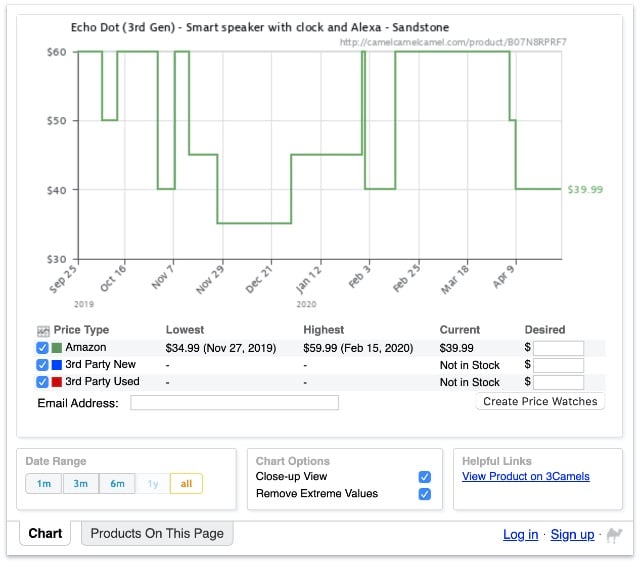
Tracks Amazon product prices over time · Alerts you when prices drop · Helps identify the best time to buy
This tool helps you monitor price fluctuations on Amazon, ensuring you purchase items at their lowest point and avoid overpaying.

Learns your schedule and programs itself to heat and cool your home · Helps reduce energy consumption · Works with Alexa for voice control
The Amazon Smart Thermostat proactively manages your home's temperature to save energy, leading to lower utility bills.
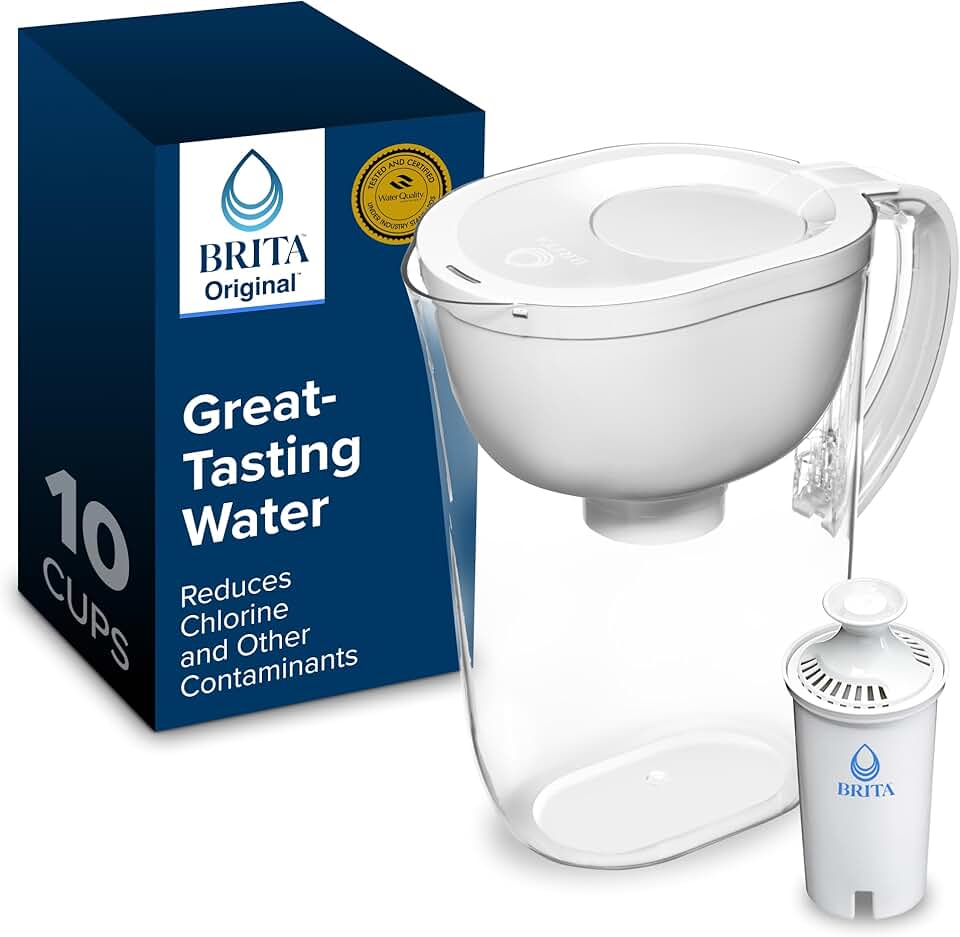
Reduces chlorine, copper, zinc, and other contaminants in tap water · Improves the taste and odor of water · Each filter can replace up to 300 standard 16.9 oz water bottles
By filtering tap water, this pitcher significantly cuts down on the recurring cost of purchasing bottled water.
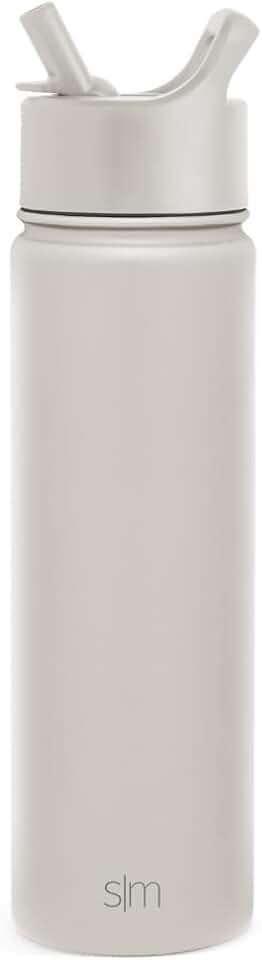
Made of durable stainless steel with vacuum insulation · Keeps beverages cold for up to 24 hours or hot for up to 12 hours · Leak-proof straw lid for easy sipping
A reusable water bottle eliminates the need to buy single-use plastic bottles, saving money and reducing waste over time.

Durable and reusable construction · Folds compactly for easy storage · Large capacity for groceries and other items
These reusable bags replace the need for disposable plastic bags, saving you money on bag fees and contributing to sustainability.
As an Amazon Associate I earn from qualifying purchases. Prices may vary.
Budgeting Basics: Taking Control of Your Finances
Even with all the savings tips in the world, you need a budget. A budget is simply a plan for how you’ll spend your money. There are several budgeting methods to choose from. The 50/30/20 rule allocates 50% of your income to needs, 30% to wants, and 20% to savings and debt repayment. Zero-based budgeting requires you to allocate every dollar of your income to a specific category.
The envelope system involves allocating cash to different categories and only spending what’s in the envelope. Choose the method that works best for your personality and lifestyle. Budgeting isn’t about restriction; it’s about making conscious choices with your money. It’s about prioritizing your spending and ensuring that your money is going towards things that are important to you.
I’ve definitely struggled with budgeting in the past. It’s easy to fall into the trap of impulse spending or overestimating your income. But it’s a journey, not a destination. Don’t get discouraged if you slip up. Just get back on track and keep learning. The key is to be consistent and patient.
- The 50/30/20 rule (needs, wants, and savings)
- Zero-based budgeting
- Envelope system

No comments yet. Be the first to share your thoughts!