

The Couponing Shift: From Clipping to AI
I remember Sunday mornings as a kid involving a huge stack of newspaper inserts, my mom meticulously clipping coupons, and a complex filing system to keep everything organized. It felt like a part-time job just to save a few dollars on groceries. That was the reality of couponing for a long time – a significant time investment for potentially modest returns.
But things are changing. The days of painstakingly searching for and clipping physical coupons are fading, replaced by a growing wave of AI-powered apps promising to automate the savings process. This shift isn’t just about convenience; it’s a response to the frustration of traditional methods, which are limited in scope and require a lot of effort.
These apps aim to do the work for you, scouring the internet for the best deals. While the idea is appealing, there are questions. People have voiced concerns, for example, on Facebook about these sites asking for excessive personal information and potentially selling it. It's a valid point, and something we’ll explore further.
Ultimately, the question is whether these new tools actually deliver on their promise of greater savings, and whether the benefits outweigh the potential drawbacks. The landscape of discount hunting is evolving, and it's worth understanding where things stand in 2026.
How AI Coupon Apps Actually Work
At their core, AI coupon apps use a combination of technologies to find and apply discounts. They constantly scan retailer websites, looking for promo codes and sales. Many also function as browser extensions, automatically testing codes at checkout when you’re shopping online. Some even integrate with your email inbox, searching for exclusive offers and discounts.
There are generally two ways these apps operate. Some are passive, simply identifying available codes and presenting them to you. Others are active, automatically applying codes at checkout without any input from the user. The active functionality relies on APIs provided by retailers or, more commonly, web scraping – a process of extracting data from websites.
Platforms like ChatbotBuilder AI are demonstrating how to build custom discount bots, essentially automating the process of coupon hunting even further. They allow users to create bots that can search for and apply coupons on specific websites, tailoring the savings to their individual needs. The technology is becoming more accessible, putting the power of AI-driven discounts directly into the hands of consumers.
Popular AI Coupon Apps: A Quick Look
The market for AI coupon apps is competitive, with several players vying for users' attention. Honey, perhaps the most well-known, automatically searches for and applies coupon codes as you browse. It boasts a large user base and supports a wide range of retailers.
Rakuten (formerly Ebates) offers cashback rewards in addition to coupon codes, providing a dual approach to savings. They partner directly with many retailers, offering exclusive discounts and rewards. Capital One Shopping is another popular option, comparing prices across different retailers and alerting you to potential savings.
Other apps, like RetailMeNot Genie, focus specifically on finding and applying coupon codes, while others, like Swagbucks, offer multiple ways to earn rewards, including cashback and gift cards. The best app for you will depend on your shopping habits and preferences.
These apps all address a similar problem: the time and effort required to find discounts manually. They aim to simplify the process, making it easier for consumers to save money without having to spend hours searching for deals. They aren't perfect, but they represent a significant step forward in the world of couponing.
Essential Tools for Savvy Couponers in 2026

Creates durable, laminated labels for clear organization · Features a QWERTY keyboard for easy text entry · Includes 4 laminated tape cartridges for immediate use
This label maker helps organize physical coupons and shopping lists with clear, durable labels, ensuring you can easily find and manage your savings.

Accordion-style organizer with 12 pockets for categorized storage · A6 size fits easily into bags or drawers · Zipper closure keeps contents secure
This compact organizer is perfect for keeping physical coupons neatly sorted and accessible, preventing them from getting lost or damaged.

Scans both 1D and 2D barcodes, including QR codes · Offers wireless Bluetooth and USB connectivity · Includes a stand for hands-free scanning and inventory management
While primarily for inventory, this scanner can quickly process barcodes on digital coupons or loyalty cards, speeding up checkout and ensuring accurate application of discounts.
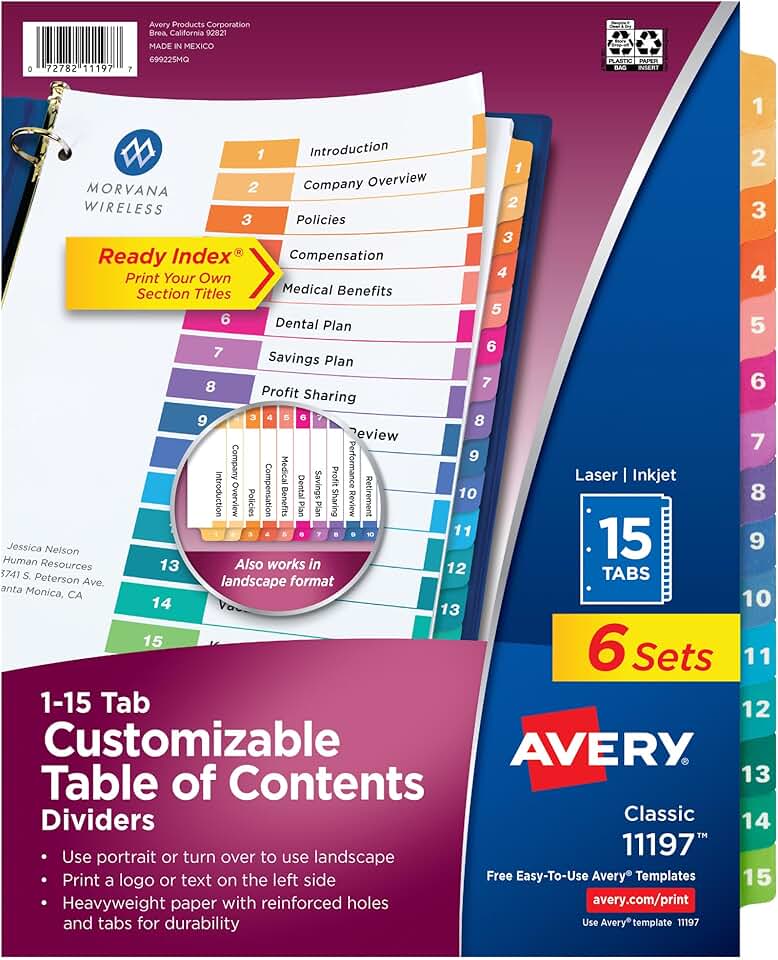
Provides 15 customizable tabs for detailed organization · Includes a printable table of contents page · Durable material protects pages and tabs
These dividers are ideal for creating a structured system to manage and categorize physical coupons, making it easy to locate specific deals before shopping.
As an Amazon Associate I earn from qualifying purchases. Prices may vary.
AI vs. Traditional: A Head-to-Head Savings Test
Let’s imagine a scenario: a $500 grocery order at a major chain like Kroger. Using traditional methods, you’d need to spend time clipping coupons from the Sunday paper, searching for digital coupons on the store’s website, and potentially scouring coupon blogs. This could easily take an hour or more, and the total savings might be around $10-$20.
Now, let's see how AI apps perform. Running the same order through Honey, Rakuten, and Capital One Shopping might yield savings of $15-$30, depending on available offers. The process takes just a few minutes – the apps do the work for you. The time saved is significant, even if the monetary difference isn’t huge.
Consider a $200 clothing purchase from a retailer like Old Navy. Traditional methods might involve searching for promo codes online and signing up for email alerts. An AI app could potentially find a code you missed, saving you an additional 10-15%. However, it’s important to remember that AI apps don’t always find every available code.
The success of traditional couponing relies heavily on user effort and diligence. AI apps offer convenience, but they aren’t a guaranteed path to maximum savings. There’s a trade-off: time versus potential savings, and privacy versus convenience. It's also worth noting that some retailers intentionally limit the codes that AI apps can find, favoring direct customer engagement.
The Privacy Trade-Off: What Data Are You Sharing?
The biggest concern surrounding AI coupon apps is data privacy. To function effectively, these apps need access to your browsing history, purchase data, and sometimes even your email inbox. This data is used to personalize recommendations, target advertising, and improve the app’s performance.
While many apps claim to anonymize and encrypt your data, the potential for misuse remains. As users pointed out on Facebook, there’s a risk that your information could be sold to third parties. It's not a hypothetical concern; data breaches and privacy violations are increasingly common.
To protect your privacy, use strong, unique passwords for each app. Carefully review app permissions before granting access to your data. Be cautious about sharing personal information, and consider using a privacy-focused browser or VPN. Regularly check the app’s privacy policy to understand how your data is being used.
It's a balancing act. The convenience and savings offered by AI coupon apps come at the cost of sharing your data. You need to decide whether the benefits outweigh the risks, and take steps to mitigate those risks. Being informed and proactive is key.
- Use strong, unique passwords.
- Review app permissions carefully.
- Be cautious about sharing personal information.
- Regularly check the app’s privacy policy.
Beyond Coupons: AI & Budgeting Integration
AI’s role in saving money extends beyond just finding coupons. Increasingly, AI is being integrated into broader budgeting tools, helping consumers manage their finances more effectively. Apps can now analyze your spending habits, identify areas where you can cut back, and even negotiate bills on your behalf.
These tools go beyond simple expense tracking. They can categorize your spending, predict future expenses, and provide personalized recommendations for saving money. Some apps even offer automated savings features, transferring small amounts of money to a savings account based on your spending patterns.
GreatBuyz.com offers a wealth of resources on budgeting, smart shopping, and couponing, providing a comprehensive approach to personal finance. Combining these resources with AI-powered tools can be a powerful way to take control of your finances. The ability to personalize budgeting recommendations based on individual financial goals is a significant advantage.
This integration of AI and budgeting represents a shift from reactive savings – finding coupons after you’ve already decided to make a purchase – to proactive savings – making informed financial decisions based on data-driven insights.
Looking Ahead: The Future of Discount Hunting
The future of AI-powered savings is likely to be even more sophisticated. We can expect to see more advanced price comparison algorithms that take into account factors like location, demand, and competitor pricing. Personalized deal recommendations will become more accurate and relevant, anticipating your needs before you even realize them.
AI could even be used to negotiate prices with retailers directly on your behalf, leveraging data to secure the best possible deals. Imagine an AI assistant that automatically haggles with customer service representatives to lower your bills or find hidden discounts.
However, retailers aren’t going to sit still. They’ll likely adapt by implementing dynamic pricing strategies, offering exclusive deals to loyal customers, and cracking down on web scraping. It will be a constant arms race between consumers and retailers.
Emerging technologies like blockchain could also play a role, potentially creating a more secure and transparent system for couponing and rewards. While the exact path is uncertain, one thing is clear: AI will continue to reshape the way we save money. The tools will get smarter, the competition will intensify, and the potential for savings will continue to grow.



No comments yet. Be the first to share your thoughts!