

Beyond 'Reduce, Reuse': Sustainable Shopping in 2026
More people are thinking about their purchases' impact on the planet. But 'sustainable' often gets thrown around without proof, and eco-friendly products can be expensive. We believe you shouldn't have to choose between your wallet and your values.
New EU rules now stop brands from destroying unsold clothes and shoes (environment.ec.europa.eu). This could mean more secondhand options and pressure on brands for durable goods. It will likely reshape how we shop.
Rethinking habits and doing some detective work is needed. GreatBuyz finds eco-friendly deals, coupons, and budgeting tips so you can shop sustainably without breaking the bank. We help you make informed choices.
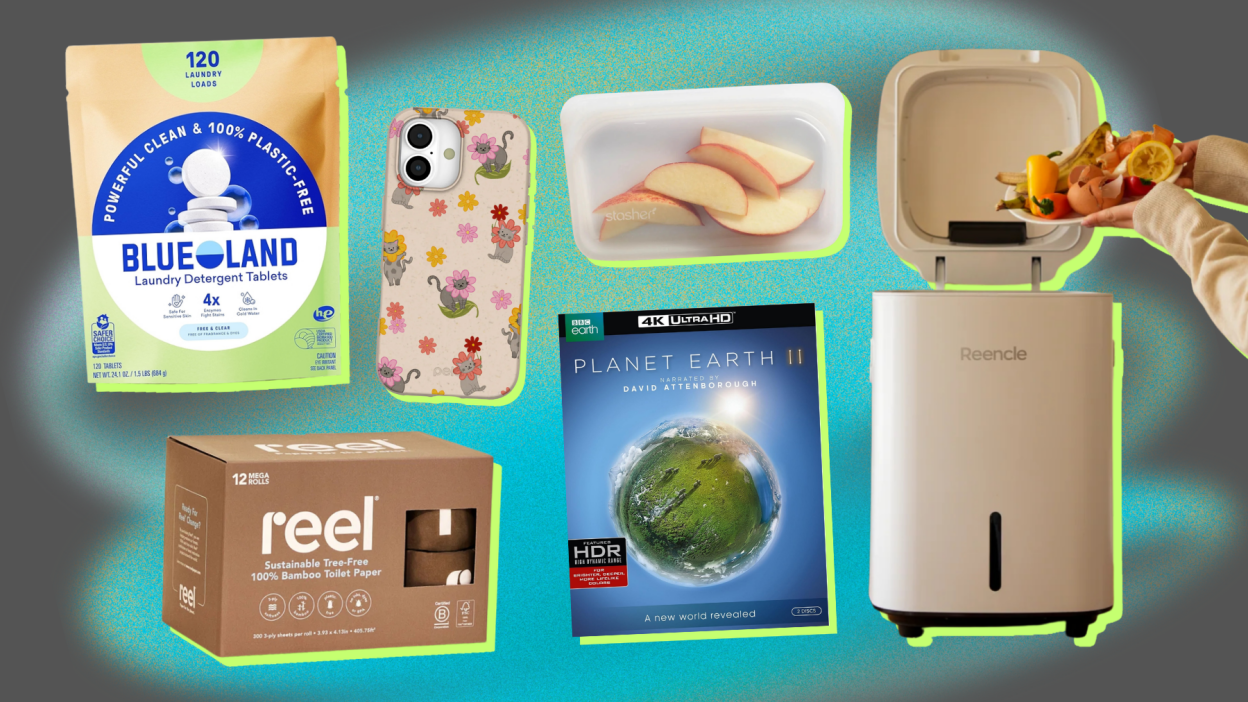
The Anti-Haul Movement & Your 2026 Needs
The 'anti-haul' trend, popularized online (like youtube.com – 26 Things I'm NOT Buying in 2026), features people sharing what they aren't buying and why. It's a reaction against consumer pressure, celebrating mindful living and questioning if we truly need something or just want it.
Assessing your needs is the first step to sustainable shopping. It's easy to impulse buy, especially with clever marketing. Wait 24-48 hours before buying non-essentials; the urge often passes. Think about what you already own and how to use it best.
Swap single-use items for reusables. Ditching paper towels for cloth napkins or plastic wrap for beeswax food wraps might cost more upfront but saves money and reduces waste. It's about intentionality and investing in quality.
- Skip: Fast fashion items.
- Swap: Invest in durable clothing.
- Skip: Single-use plastic water bottles.
- Swap: Carry a reusable water bottle.
- Skip: Individually packaged snacks.
- Swap: Buy in bulk and portion out snacks into reusable containers.
Decoding Eco-Labels: What Actually Matters?
Understanding eco-labels is challenging. Some are reliable, like Energy Star, which indicates an appliance meets EPA energy efficiency guidelines.
USDA Organic ensures food is grown without synthetic pesticides or fertilizers. Fair Trade guarantees producers receive fair prices. These labels are generally trustworthy, but research is still advised.
Be wary of vague labels like 'Eco-friendly' or 'natural.' Also, watch for micro-plastics. Synthetic fabrics shed plastic fibers when washed. Look for natural fibers like cotton, linen, or hemp.
Green Coupons & Discount Strategies
GreatBuyz specializes in finding coupons and discounts for eco-friendly products, featuring deals on organic groceries and sustainable home goods. We partner with ethical brands for exclusive user discounts.
Explore other sources like retailer websites and newsletters. Many ethical brands offer loyalty discounts. Stacking coupons maximizes savings. Cashback apps like Ibotta and Rakuten provide rebates.
Look for seasonal sales and clearance events, especially during Earth Day or environmental campaigns. Ask brands about upcoming sales. We update our site with the latest deals regularly.
- Check GreatBuyz: Our site is your first stop for eco-friendly coupons.
- Sign up for newsletters: Receive exclusive discounts directly from brands.
- Use cashback apps: Earn rebates on your purchases.
- Stack coupons: Combine multiple discounts for maximum savings.
- Look for seasonal sales: Take advantage of environmental awareness campaigns.
Eco-Friendly Shopping Platforms: A Comparison
| Platform | Product Range | Price Range | Shipping Options | Transparency/Ethics Score (1-5 stars) |
|---|---|---|---|---|
| GreatBuyz | Wide range including household goods, groceries (with deals & coupons), and personal care. | Generally affordable, focuses on discounted pricing and coupon availability. | Standard shipping options; details vary by retailer featured on the platform. | 3.5 stars - Focuses on savings, with increasing emphasis on highlighting sustainable options from partner retailers. |
| EarthHero | Eco-friendly home goods, personal care, clothing, and zero-waste products. | Mid-range to higher price point; reflects focus on sustainable materials and ethical production. | Carbon-neutral shipping options available; standard shipping also offered. | 4.5 stars - High transparency regarding materials, sourcing, and impact. |
| Package Free Shop | Zero-waste living products: home, personal care, kitchen, and on-the-go items. | Generally mid-range; premium for plastic-free alternatives. | Standard shipping; options for carbon offsetting may be available. | 4 stars - Strong commitment to plastic-free and minimal packaging; clear product information. |
| Thrive Market | Organic groceries, health & wellness products, sustainable household items. | Membership-based; aims to offer wholesale organic prices. | Standard shipping for members. | 4 stars - Focus on organic and non-GMO products; transparency regarding sourcing. |
| DoneGood | Clothing, accessories, and home goods from ethical and sustainable brands. | Price range varies significantly depending on the brand. | Shipping options depend on the individual brand. | 4.5 stars - Rigorous vetting process for brands based on social and environmental impact. |
| Etsy (focused search) | Handmade, vintage, and craft supplies; potential for finding sustainable and eco-friendly items. | Highly variable; depends on the seller. | Shipping options vary by seller. | 3 stars - Transparency depends on the individual seller; requires careful research. |
Illustrative comparison based on the article research brief. Verify current pricing, limits, and product details in the official docs before relying on it.
Secondhand is the New First Choice
Buying used is a sustainable choice that reduces demand for new products, keeps items out of landfills, and saves money. It's also a way to find unique, high-quality items.
Options for secondhand shopping abound. Beyond thrift stores, consignment shops often carry higher-end items. Online marketplaces like eBay, Poshmark, and Facebook Marketplace offer vast selections at low prices.
Concerns about hygiene or quality can make people hesitant to buy used. Inspect items thoroughly and clean them properly. Upcycling and repairing items also extends their lifespan. Creativity can transform old items into new ones.
Sustainable Swaps: Big Impact, Small Changes
Small changes can have a big impact. Swapping everyday items for sustainable alternatives isn't expensive or difficult. Switch to a bamboo toothbrush instead of plastic; they're biodegradable and effective. Reusable food wraps are a great alternative to plastic wrap.
Solid shampoo and conditioner bars eliminate plastic bottles. Cloth diapers are eco-friendly and cost-effective. The key is to make simple swaps that align with your values and budget.
Sustainable living isn't about perfection. Some swaps aren't feasible for everyone. Do what you can without guilt. The goal is to make conscious choices that reduce your environmental impact.
- Swap: Plastic toothbrush for a bamboo toothbrush.
- Swap: Plastic wrap for reusable beeswax wraps.
- Swap: Liquid shampoo/conditioner for solid bars.
- Swap: Disposable diapers for cloth diapers.
- Swap: Plastic shopping bags for reusable tote bags.
The Future of Eco-Friendly Retail
Sustainable shopping is becoming innovative. Refillable packaging systems and circular economy models, which prioritize reuse and recycling, are gaining traction. These systems aim to eliminate waste and keep materials in use.
Technology helps reduce waste. Apps and platforms connect consumers with sustainable brands and provide product lifecycle information. EU textile waste regulations (environment.ec.europa.eu) will likely spur fashion industry innovation for durability and recyclability.
Consumers demand brand transparency and accountability regarding product origins, manufacturing, and environmental impact. Companies prioritizing sustainability and ethics will likely thrive. Sustainable shopping is becoming more accessible and affordable.


No comments yet. Be the first to share your thoughts!