

Wallets are for more than just cards
I remember when a wallet meant a worn leather billfold, crammed with cash, loyalty cards, and photos. Now, it’s a powerful tool for saving money, and it lives on your phone. Digital wallets have moved far beyond simply replacing plastic; they're becoming hubs for cashback, coupons, and exclusive deals. It’s a shift that’s happening quickly, and it’s changing how we shop.
Mobile payments are standard now. In 2024, over 840 million people in the US used their phones to pay. Retailers and banks are fighting for your screen space by offering better rewards than you'd get with a physical card.
What started as a convenience – tap-to-pay – has blossomed into a full-fledged savings strategy. The ability to combine digital coupons with cashback offers and credit card rewards means there’s real money to be saved with every purchase. It's a new era of smart shopping, and understanding how to leverage these tools is essential.
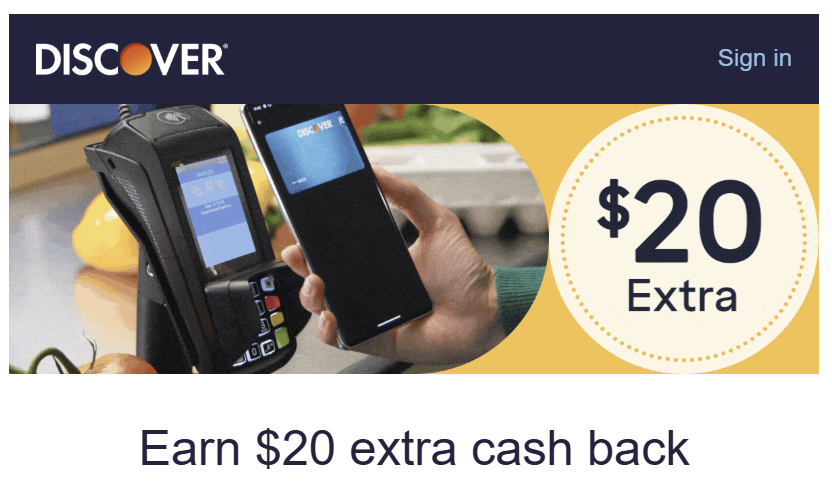
Comparing the big wallet apps
Apple Pay, Google Wallet, Samsung Wallet, PayPal, Cash App, and Venmo – the digital wallet space is crowded. But when it comes to maximizing savings, their capabilities vary significantly. Apple Pay is strong with retailer integrations, often offering exclusive discounts when used directly through their systems. Google Wallet excels in its broad acceptance and integration with Google services, making it incredibly versatile.
Samsung Wallet, while similar to Apple Pay, sometimes offers exclusive promotions tied to Samsung products or partners. PayPal remains a dominant force, particularly for online purchases, and frequently features cashback offers and coupon codes. Cash App and Venmo are popular for peer-to-peer transactions, but their deal-stacking potential is generally lower, focusing more on direct discounts or referral bonuses.
The key difference isn’t just if a wallet offers deals, but how easily you can combine them. Apple Pay and Google Wallet are arguably leading the way in allowing you to stack a store’s own coupon with a wallet-specific cashback offer. PayPal sometimes allows you to link coupons, but it's less consistent. Loyalty program integration is also a factor; many wallets now let you store and redeem loyalty points directly within the app, streamlining the savings process.
Ultimately, the best wallet depends on your spending habits and preferred retailers. But if your primary goal is maximizing savings, focusing on Apple Pay and Google Wallet is a good starting point.
Digital Wallet Deal Stacking Comparison - 2026
| Wallet Name | Coupon Stacking | Cashback Stacking | Retailer Exclusives | Loyalty Integrations |
|---|---|---|---|---|
| Apple Pay | Limited | Limited | Some | Strong |
| Google Pay | Limited | Limited | Growing | Strong |
| PayPal | Yes | Yes | Yes | Moderate |
| Samsung Wallet | Yes | Limited | Yes | Moderate |
| Cash App | None | Yes | Some | Limited |
| Venmo | None | Limited | None | Limited |
| Affirm | Limited | None | Some | Moderate |
| Klarna | Yes | None | Yes | Limited |
Illustrative comparison based on the article research brief. Verify current pricing, limits, and product details in the official docs before relying on it.
How to stack rewards
Deal stacking is the name of the game. It’s about layering discounts to achieve the lowest possible price. A simple example: let’s say Target is offering 5% cashback on purchases made with Apple Pay. You also have a Target Circle offer for 20% off a specific item, and you’re using a credit card that earns 2% cashback on all purchases.
Combining these offers can lead to substantial savings. On a $100 item, the 20% Target Circle discount brings the price down to $80. The 5% Apple Pay cashback saves you an additional $4, and the 2% credit card cashback adds another $1.60, bringing your final cost to $74.40 – a total savings of $25.60!
Read the fine print. Some cashback deals exclude specific brands or electronics. Coupons often have limits on how many items you can buy at once. I've been burned before by missing a 'one per customer' rule, so check the terms before you get to the register.
Another strategy is to look for 'booster' offers. Some wallets occasionally offer limited-time bonuses on specific retailers or categories. Keep an eye out for these promotions, as they can significantly amplify your savings. Thinking like a deal hunter means being proactive and always searching for opportunities to combine offers.
Specific retailer deals
Certain retailers consistently offer attractive deals for digital wallet users. Target is a standout, frequently running promotions like 5% cashback with Apple Pay or Google Wallet. They also often have exclusive offers for Wallet users within the Target app. Walmart occasionally offers cashback rewards with specific wallets, particularly during promotional periods.
Best Buy is another good place to look, often offering discounts or financing options when you pay with a digital wallet. Amazon’s wallet integration is less direct, but they frequently offer promotional credits or discounts when you link a specific credit card to your account. Keep an eye on GreatBuyz.com for up-to-date information on retailer-specific deals.
CVS Pharmacy frequently offers ExtraCare rewards when you scan your card and pay with a digital wallet. Walgreens also provides similar benefits through their myWalgreens program. These pharmacy chains are particularly generous with their rewards programs, making digital wallets a valuable tool for saving on everyday essentials.
Automatic wallet-linked offers
Wallet-linked offers are the easiest way to save because they don't require clipping. These deals apply automatically when you pay. They are personalized based on what you buy, which is convenient, though it means the app is tracking your every move.
Retailers track your purchase history to tailor these offers, which can be beneficial but also concerning for some users. Most wallets allow you to control your data-sharing preferences, so it's important to review these settings and adjust them to your comfort level. Understanding how your data is being used is crucial in the age of personalized marketing.
The convenience of wallet-linked offers is undeniable. They save you time and ensure you're always getting the best possible price. As these offers become more prevalent, we can expect to see even greater personalization and integration with loyalty programs.
Security and privacy
Security is a primary concern when using digital wallets. Fortunately, these platforms employ robust security measures, including tokenization, encryption, and biometric authentication. Tokenization replaces your actual card number with a unique digital token, protecting your sensitive information from being compromised. Encryption scrambles your data, making it unreadable to unauthorized parties.
Biometric authentication – fingerprint or facial recognition – adds an extra layer of security, ensuring only you can access your wallet. However, you also have a role to play in protecting your account. Use strong, unique passwords, and enable two-factor authentication whenever possible. Be wary of phishing scams that attempt to trick you into revealing your login credentials.
Treat your digital wallet like cash. Don't share your password with anyone, and be cautious about clicking on suspicious links. Regularly review your transaction history to identify any unauthorized activity. While digital wallets are generally safe when used responsibly, vigilance is key.
What's the biggest barrier preventing you from using digital wallets more often?
Vote below and tell us what most holds you back from using digital wallets more often.


No comments yet. Be the first to share your thoughts!