

The state of cashback in 2026
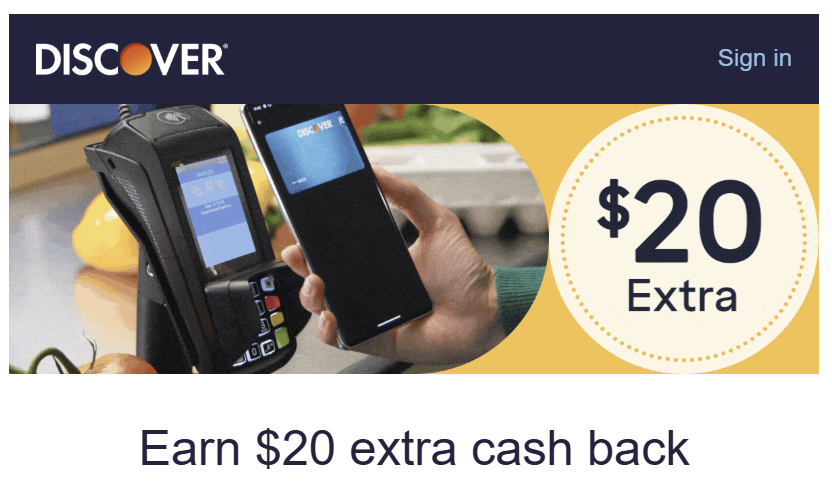
Digital wallets are no longer just for convenience. In 2026, Apple Pay, Google Wallet, and Samsung Wallet are fighting for users by offering direct financial incentives. This competition is great for anyone looking to cut costs on daily spending.
We’re seeing a clear trend: wallets are increasingly incentivizing adoption through cashback offers, discounts, and integrated rewards programs. It’s no longer enough to simply offer a seamless payment experience; wallets need to provide tangible financial benefits to stand out. This is particularly true as more people become comfortable with mobile payments and look for ways to stretch their budgets.
I've found that 'reward stacking'—combining wallet cashback with credit card points and digital coupons—is the most effective way to save. It takes a few extra taps at checkout, but the math works out in your favor.

Five wallets worth using right now
Choosing the right digital wallet depends on your spending habits and priorities. Several wallets are leading the pack in 2026, each with its own strengths. Here's a look at five of the top contenders, based on current offerings and expert reviews.
GreenFi stands out for its commitment to both financial rewards and social impact. They offer cashback on everyday purchases, but also include features like 'Savings Pods' for automated savings and a 'Planet Protection' program that plants trees with every transaction. Cashback rates vary, but users can generally expect around 1-2% on most purchases, and higher rates for select merchants. It’s a good choice if you want your money to do more than just earn rewards.
Apple Pay continues to be a popular choice, largely due to its seamless integration with Apple devices. While its base cashback rate is typically around 1%, Apple frequently offers promotions and partnerships that can significantly boost your earnings. They often collaborate with retailers for exclusive cashback deals, particularly around major shopping events. It’s best for those already invested in the Apple ecosystem.
Google Wallet is similar to Apple Pay in terms of convenience and integration, and is gaining ground with competitive cashback offers. They frequently run promotions, sometimes offering 3-5% cashback at select stores. Google Wallet is a strong contender if you use Android devices and want a straightforward, user-friendly experience.
Rakuten Wallet (often used in conjunction with their broader cashback platform) is a solid option, especially if you’re a frequent online shopper. They consistently offer high cashback rates at a wide range of retailers, often exceeding 5% on select purchases. The main downside is that you need to actively browse their offers to take advantage of the best deals. It’s ideal for those willing to put in a little effort to maximize savings.
Finally, FirstCard, as of April 25, 2026, is promoting itself as a wallet focused on simplifying cashback. While details are still emerging, they position themselves as a way to consolidate your rewards and track earnings easily. Early reviews suggest a user-friendly interface and competitive rates, but it’s still relatively new compared to the established players.
How to stack rewards
Stacking works by layering rewards. You use a digital wallet that offers its own cashback, but you fund that wallet with a rewards-heavy credit card. You're getting paid twice for the same gallon of milk or pair of shoes.
Here’s a common example: use your Apple Pay, linked to a Chase Freedom Unlimited card. The Chase Freedom Unlimited card offers 1.5x points on every purchase, and Apple Pay might be offering 2% cashback at a specific merchant. That means you're earning 1.5x points plus 2% cashback on the same transaction. It's a double dip!
However, there are a few things to keep in mind. Some credit card issuers may categorize digital wallet purchases under a different merchant category code (MCC) than direct purchases, potentially affecting your rewards earning rate. Always check your credit card’s terms and conditions to understand how digital wallet transactions are treated. Also, be aware of any potential caps on cashback or rewards.
Finding hidden in-app deals
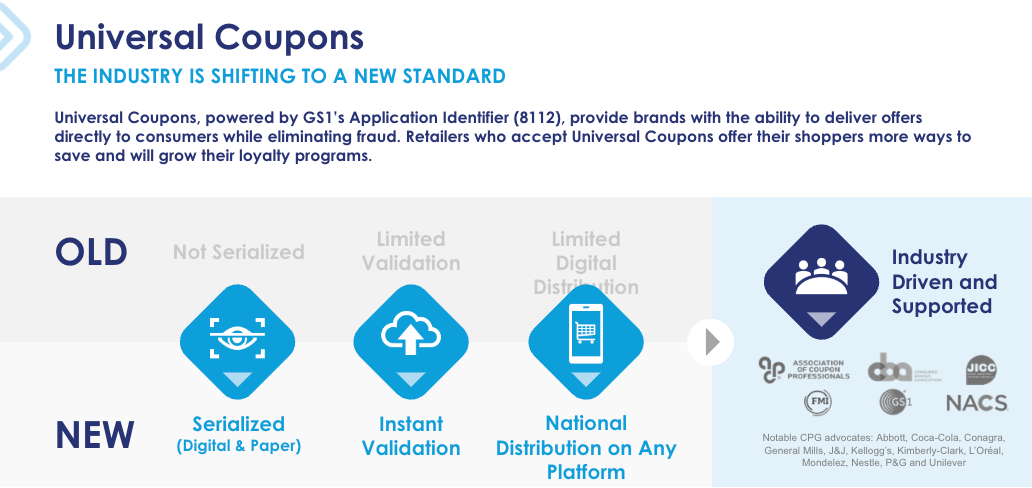
Don’t overlook the power of coupon codes and in-app deals. Many digital wallets are integrating with coupon finders or offering exclusive discounts directly within the app. This is where you can find some truly hidden savings.
Rakuten, for example, is well-known for its exclusive cashback boosts at specific retailers. You might find an additional 5% cashback on top of your wallet’s base rate. Similarly, some wallets partner with local businesses to offer special in-app discounts. It's worth checking the 'deals' or 'offers' section of your wallet regularly.
These offers are additive to your stacked rewards strategy. So, you could use your Apple Pay with your Chase Freedom Unlimited card, plus a coupon code found within the Apple Wallet, resulting in a triple-layered discount.
Credit Card Selection: Maximizing Points
Choosing the right credit card is critical for maximizing your rewards when using digital wallets. Different cards offer different types of rewards – cashback, points, or miles – and each has its own strengths.
If you prefer simplicity, a flat-rate cashback card like the Chase Freedom Unlimited (1.5% on everything) or the Citi Double Cash Card (2% – 1% when you buy, 1% when you pay) is a good choice. These cards provide consistent rewards on all purchases, regardless of the merchant. For travel enthusiasts, a card like the Capital One Venture Rewards Credit Card (2x miles on every purchase) might be more appealing.
Don’t forget to consider signup bonuses and annual fees. Many cards offer substantial welcome bonuses, but some charge an annual fee. Evaluate whether the rewards you’ll earn outweigh the cost of the fee. A table comparing popular options can be helpful:
- Chase Freedom Unlimited: 1.5% back on everything with no annual fee.
- Citi Double Cash Card: 2% cashback, no annual fee
- Capital One Venture Rewards: 2x miles, $95 annual fee
Popular Credit Cards for Digital Wallet Use (2026)
| Card Name | Rewards Type | Grocery Cashback | Gas Cashback | Travel Rewards | Annual Fee | Best For |
|---|---|---|---|---|---|---|
| Chase Freedom Unlimited | Cash Back | 1.5% on all purchases | 1.5% on all purchases | Points transferable to travel partners | $0 | Everyday Spending |
| Amex Blue Cash Preferred | Cash Back | 6% on U.S. supermarkets (on up to $6,000 per year, then 1%) | 6% on U.S. gas stations (on up to $6,000 per year, then 1%) | Limited | $95 | Groceries & Gas |
| Citi Double Cash | Cash Back | 2% on all purchases (1% when you buy, 1% when you pay) | 2% on all purchases | None | $0 | Everyday Spending |
| Discover it Cash Back | Cash Back | 5% rotating categories quarterly (activation required) | 5% rotating categories quarterly (activation required) | Match all cash back earned at the end of the first year | $0 | Rotating Categories |
| Capital One Venture Rewards | Miles | 2x miles on all purchases | 2x miles on all purchases | Miles redeemable for travel or transfer to partners | $95 | Travel |
Illustrative comparison based on the article research brief. Verify current pricing, limits, and product details in the official docs before relying on it.
Fees and fine print to watch for
While digital wallet cashback is a great way to save money, it’s important to be aware of potential downsides. Some wallets or credit cards may charge fees, such as foreign transaction fees or annual fees.
Always carefully read the terms and conditions of any cashback program. Rates and eligibility requirements can change, and there may be limitations on how you can redeem your rewards. Pay attention to merchant category codes (MCCs), as some purchases may not qualify for the full cashback rate. For example, purchases made at gas stations might earn a lower percentage.
Be especially cautious of promotional offers that seem too good to be true. Always verify the details and ensure that you understand the requirements before making a purchase.


No comments yet. Be the first to share your thoughts!