


Imagine walking out of a store with a cart full of goods, having paid a fraction of the expected price. This isn't just a daydream for savvy shoppers—it's the reality of those who have mastered the art of couponing. But beyond the thrill of scoring a deal, couponing can significantly influence your shopping mentality and overall finances. Let's delve into the psychology behind this economical strategy and uncover how it can lead to smarter spending habits.
The Allure of Instant Savings
There's an undeniable rush that comes from saving money at the checkout line. Coupons represent immediate discounts that can be more gratifying than traditional savings methods. This instant reward system can condition shoppers to seek out deals regularly, reinforcing a budget-conscious mindset. For insights on this phenomenon, let's look at the impact of couponing on consumer behavior.
Consumer Emotions Triggered by Coupon Usage
Strategic Shopping with Coupons
Coupons have the power to transform your shopping strategy from impulsive to intentional. With coupons in hand—or in app—shoppers are more likely to plan their purchases around what's discounted, leading to more organized shopping trips and potentially less wasteful spending. For those new to this approach, here are seven easy steps to start couponing and maximize your savings.
Coupon Mastery
- Gather Your Coupons - Start by collecting coupons from various sources such as newspapers, store flyers, and online coupon websites.

- Sort by Category - Organize your coupons by categories such as groceries, beauty products, or household items for easier access.

- Check Expiration Dates - Arrange coupons in order of their expiration dates to ensure you use them before they expire.

- Use a Coupon Binder - Keep your coupons in a binder with clear pocket sleeves for visibility and easy flipping.
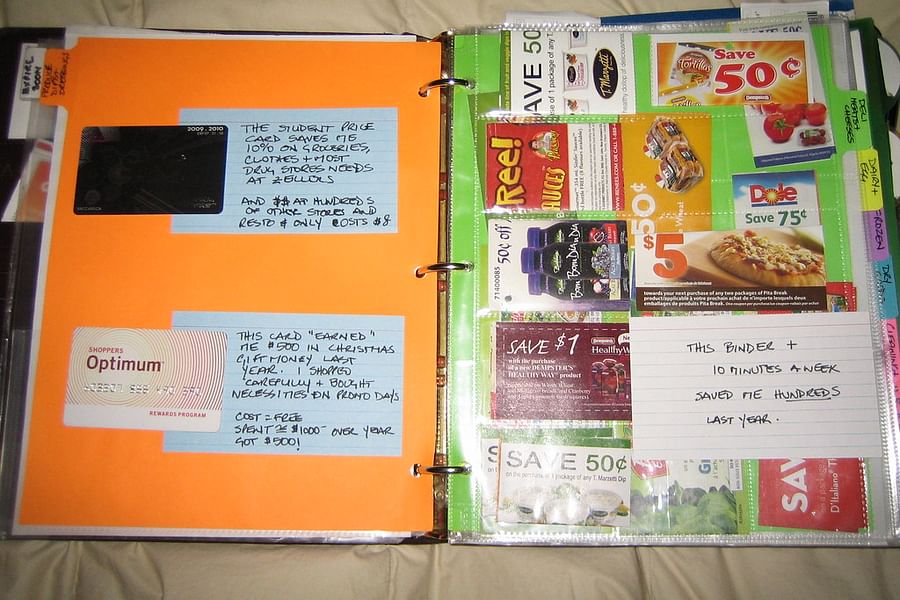
- Plan Your Shopping Trip - Match coupons with weekly sales at your local stores to maximize savings.
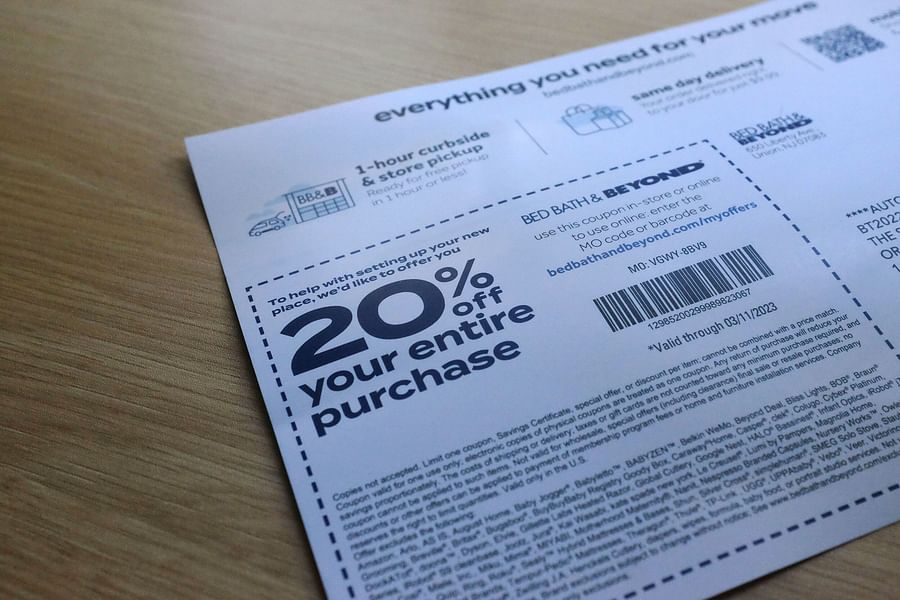
- Stay Updated - Regularly check coupon websites and store apps for new deals and digital coupons.

- Know Store Policies - Understand the coupon policies of the stores you visit to avoid any surprises at checkout.

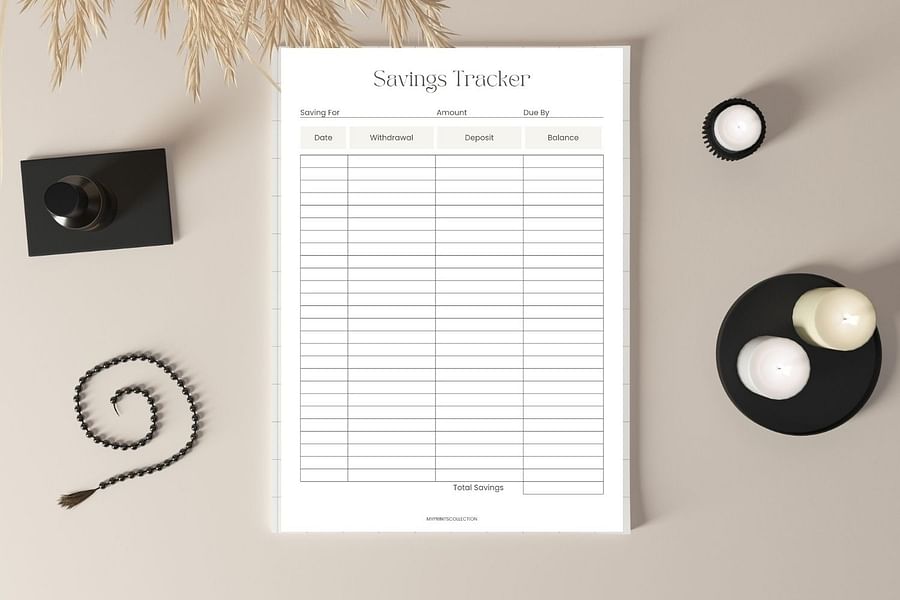
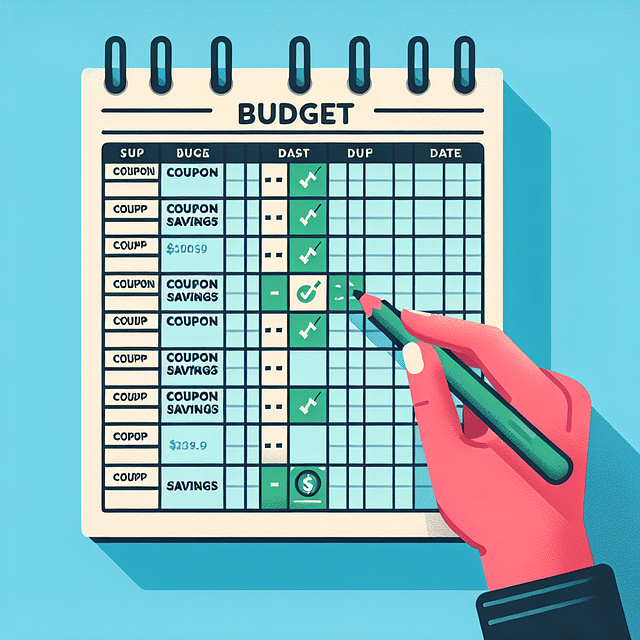
- Track Your Savings - Keep a record of the money you save with coupons to stay motivated and informed about your spending habits.
Budgeting Becomes Second Nature
Coupons can serve as a gateway to broader financial prudence. By regularly incorporating them into your shopping routine, you inadvertently practice budgeting—a skill that extends well beyond the grocery store aisles. To strengthen your budgeting acumen even further, consider these tips for budgeting and saving money.
Smart Couponing: A Step-by-Step Guide to Boosting Your Budget


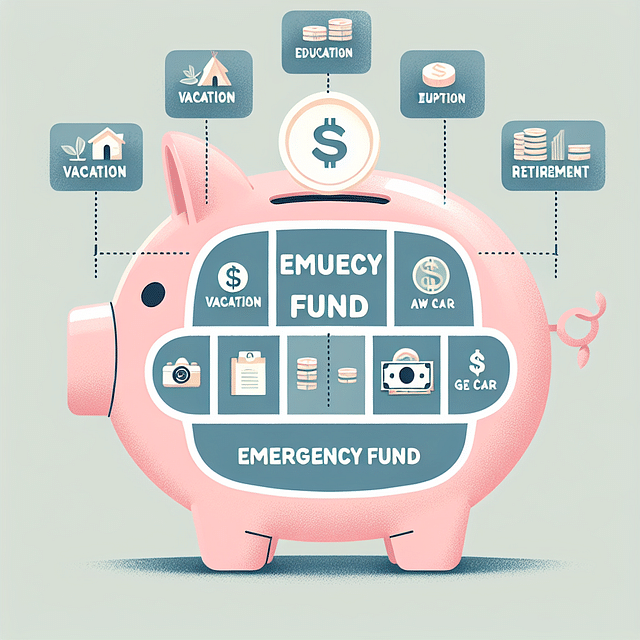


The psychological effect is clear: when you save money using coupons, you're not just cutting costs—you're also honing financial discipline. Couponers often find themselves setting aside their savings or reallocating funds toward paying off debt or investing in future goals.
Coupon Clipping as a Lifestyle Choice
For many, couponing isn't merely about occasional savings; it's about adopting a lifestyle that prioritizes frugality and resourcefulness. This shift in perspective can lead to long-term benefits such as an increased savings account balance and decreased financial stress. To understand how extreme some savers go, take an inside look at the costs vs. benefits of extreme couponing.
How often do you play the coupon game while shopping?
Coupons can be a game-changer for your wallet! Tell us about your couponing habits.
Incorporating coupon use into regular shopping habits encourages consumers to become more conscious about their purchases and less susceptible to impulse buys or retail marketing tactics designed to increase spending.
In our next section, we’ll explore how digital advancements have revolutionized couponing practices and discuss strategies for avoiding common pitfalls that might negate the benefits of using coupons.
The Influence of Couponing on Spending Habits
When shoppers integrate couponing into their purchasing routines, it can shift their spending habits significantly. By seeking out discounts, consumers often feel empowered to make purchases they might otherwise avoid. This isn't always a negative outcome; it can enable savvy shoppers to upgrade their purchases while staying within a budget. For instance, with the right deal, one might opt for a higher quality item at a price point that doesn't cause financial strain.
However, it's essential to remain vigilant. The temptation to buy items solely because they are on sale can lead to unnecessary spending. It's crucial to differentiate between what you need and what is simply an attractive price. To stay on track, I recommend creating a shopping list before searching for coupons. This way, you prioritize your needs and resist the allure of discounts on non-essential items.
Couponing as a Gateway to Financial Literacy
Couponing does more than just save you money in the short term; it can be an excellent introduction to broader financial literacy concepts. As consumers dive into the world of coupons and deals, they often become more aware of budgeting techniques and the importance of saving money. This newfound knowledge can lead to improved financial behaviors like investing in savings accounts, exploring retirement plans, or setting up emergency funds.
The Smart Saver's Challenge
Test your knowledge on financial literacy and the impact of couponing on your shopping habits and budget. Let's see how savvy you are with your savings!
Moreover, regular coupon users tend to develop better spending awareness. They're more likely to track their expenses closely and understand the impact of their purchasing decisions on their overall financial health. If you're looking to enhance your financial skills further, check out our tips for budgeting and saving money.
Mental Health Benefits of Couponing
Beyond the obvious economic advantages, couponing can also offer mental health benefits. The process of searching for deals and successfully applying them at checkout provides a sense of achievement and control over one's finances. For many people, this can lead to reduced stress levels and increased happiness.
[community_poll: Poll about how couponing affects mental well-being]To maximize these benefits without becoming overwhelmed by the process, consider setting aside specific times each week for coupon hunting. This helps ensure that your deal-seeking doesn't become an obsession but rather a healthy part of your routine.
"Saving money shouldn't be a sporadic event but a consistent habit that contributes positively to our lives."
Incorporating coupon usage into your shopping strategy doesn’t have to be complicated. Start with our straightforward guide on 7 easy steps to start couponing, which will set you up for success without feeling overwhelmed.
Remember that while coupons provide immediate savings at checkout, they also serve as tools for long-term financial stability when used wisely. By understanding the psychology behind them and leveraging coupons strategically—such as stocking up on essentials or timing purchases with sales—you're not just cutting costs today; you're paving the way for a more secure financial future.
If you're curious about how much you've learned so far about smart shopping with coupons or want some fun while testing your knowledge, take our interactive quiz at Test Your Savings Knowledge.
To sum up, embracing coupons can have profound effects on both your wallet and your mindset towards money management. It encourages disciplined spending, fosters financial education, and may even boost mental well-being through achieved savings goals. As long as we approach couponing with intentionality—not allowing it to dictate unnecessary purchases—it remains an invaluable tool in our savvy shopper's arsenal.



No comments yet. Be the first to share your thoughts!