Start with a clear savings goal
Vague intentions like "saving more" rarely survive contact with monthly expenses. To truly maximize savings, you need a specific, measurable target. Financial experts often suggest aiming to save 20% to 25% of your gross income, a benchmark that provides a concrete ceiling for your budgeting efforts. Without this number, it is difficult to determine which tools are necessary or how aggressively you need to cut costs.
Once you have a target figure, the choice of budgeting software becomes straightforward. You can evaluate tools based on their ability to track progress toward that specific percentage. For example, if your goal is to save $500 a month, you need an app that alerts you when you are falling short, not just one that categorizes your coffee purchases. This clarity transforms saving from a chore into a tracked metric.
Consider pairing your budgeting app with a high-yield savings account to ensure your money grows while you save. Platforms like Ally Bank or Marcus by Goldman Sachs offer competitive rates that outpace traditional savings accounts, helping your initial goal stretch further. The combination of a disciplined digital budget and a high-interest account creates a compounding effect on your wealth.
Track spending with automated apps
To maximize savings, you first need to see exactly where your money goes. Manual tracking often fails because it relies on memory and effort. Automated budgeting apps solve this by connecting directly to your bank accounts and credit cards, pulling transaction data in real time.
These tools categorize your expenses automatically, highlighting leaks in your spending that you might otherwise miss. Whether you are trying to curb daily coffee habits or reduce subscription drift, seeing your data visualized is the first step to changing your habits. As noted by financial experts, using smartphone apps to track spending is one of the most effective ways to build a sustainable savings habit.
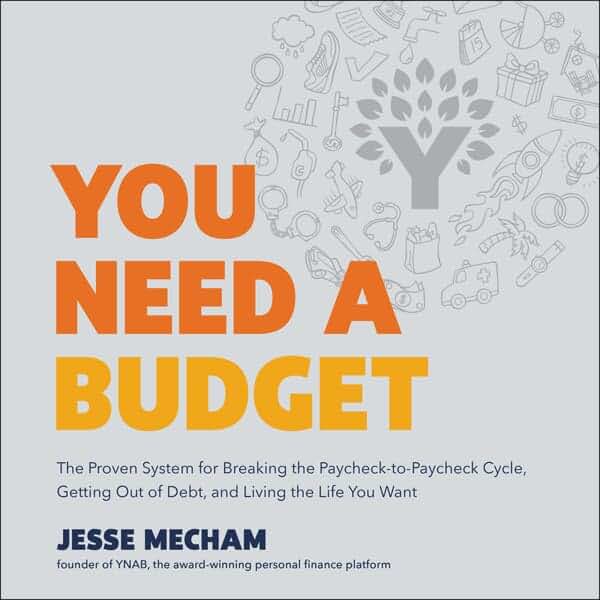
Here are some of the most reliable budgeting tools available on Amazon that can help you take control of your finances.


As an Amazon Associate, we may earn from qualifying purchases.
By automating the tracking process, you free up mental energy to focus on decision-making rather than data entry. This shift allows you to identify trends and adjust your budget before overspending becomes a problem.
Use high-yield accounts for growth
Cutting expenses stops the bleeding, but it doesn't build wealth. To truly maximize savings, you need your idle cash to work as hard as you do. The most accessible tool for this is a high-yield savings account (HYSA). Unlike traditional brick-and-mortar banks that offer negligible interest rates, online-focused HYSA providers pass on their lower overhead costs to you in the form of significantly higher annual percentage yields (APY).
Think of a high-yield account as a financial pressure cooker. If you leave money in a standard checking account, it sits there, losing value to inflation. In an HYSA, that same money compounds daily or monthly, accelerating your progress toward specific goals like an emergency fund, a down payment, or a vacation. Vanguard notes that setting realistic deadlines for savings goals helps you choose the right vehicle, and an HYSA is the ideal bridge between liquidity and growth for short-term needs.
Not all high-yield accounts are created equal. Some require a minimum opening deposit, while others cap the number of withdrawals. When choosing where to park your savings, look for FDIC insurance, no monthly maintenance fees, and a competitive APY. Below is a comparison of popular options to help you decide where your money should live.
| Provider | APY | Min. Deposit | Monthly Fee |
|---|---|---|---|
| Ally Bank | 4.20% | $0 | $0 |
| Marcus by Goldman Sachs | 4.15% | $0 | $0 |
| SoFi | 4.20% | $0 | $0 |
| American Express National Bank | 4.10% | $0 | $0 |
Automate transfers to stay consistent
Manual transfers require willpower, which is a finite resource. Automating your savings removes the decision-making step entirely, ensuring you prioritize your future self before lifestyle inflation can take hold. This strategy is the most reliable way to maximize savings without constant mental tracking.
1. Split your direct deposit
The most effective automation starts at the source. Many employers allow you to split your paycheck directly into multiple accounts. Direct a portion of your income immediately into a high-yield savings account or a dedicated investment account before it ever hits your checking balance. This "pay yourself first" method ensures savings happen automatically with every paycheck.
2. Schedule recurring transfers
For accounts that do not support direct deposit splits, set up automatic recurring transfers from your checking to your savings. Schedule these to occur on the same day each month, ideally right after your payday. This timing ensures the money is moved while you still have the full paycheck to cover bills, preventing accidental spending.
3. Use round-up apps
Apps like Acorns or Chime round up your debit card purchases to the nearest dollar and sweep the difference into a savings or investment account. This micro-automation captures spare change you likely wouldn't notice missing. It turns everyday transactions into consistent, frictionless savings contributions.
4. Review and adjust quarterly
Automation is not "set it and forget it" forever. Life changes—raises, new bills, or shifting goals—require periodic updates. Review your automated transfer amounts every three months. If you received a raise, increase the transfer percentage immediately. If expenses rose, lower the amount to maintain balance. This keeps the system aligned with your current reality.
Frequently asked questions about saving
Addressing specific questions about investment and savings strategies helps clarify how to maximize savings effectively. These answers focus on concrete actions and tools rather than abstract theory.
No comments yet. Be the first to share your thoughts!