

Where we stand with inflation
The years between 2022 and 2025 were brutal for most bank accounts. Groceries, gas, and rent prices climbed faster than wages, and while the inflation rate is finally cooling in 2026, those high prices are the new baseline. They aren't dropping back to 2021 levels.
Instead, we’re seeing a slower increase in prices. This is a subtle but important distinction. It means we still need to be incredibly mindful of where our money goes and actively work to stretch every dollar. Ignoring this reality just isn't an option. Proactive budgeting isn't about restriction, it’s about taking control.
FOX 11 Los Angeles reported in January 2026 that household budgets remain under pressure. Families are still forced to find ways to save just to stay level. It is a grind, but manageable if you change how you look at your monthly overhead.
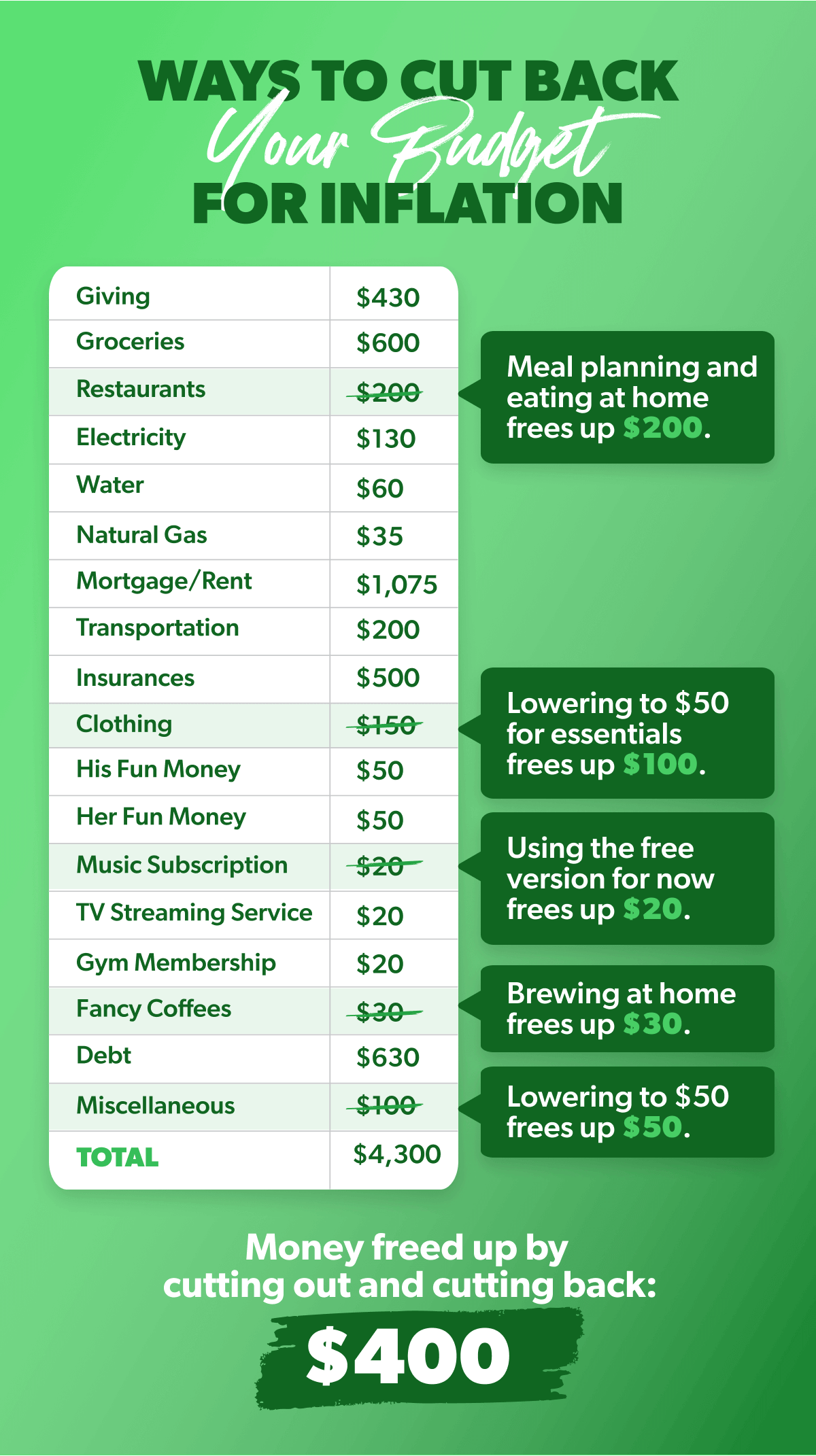
The 50/30/20 rule is broken
You’ve probably heard of the 50/30/20 budgeting rule: 50% of your income goes to needs, 30% to wants, and 20% to savings and debt repayment. It’s a solid starting point, but in the current economic climate, it often feels… unrealistic. For many, the 'needs' category now consumes far more than half of their income, especially with rising housing and food costs.
The key is flexibility. Don’t beat yourself up if you can’t perfectly adhere to the traditional percentages. Instead, take a hard look at your spending and realistically re-allocate. Perhaps you need to trim 'wants' down to 20% or even 15% to prioritize essentials and debt reduction. It’s about finding a balance that works for your situation.
Goodbudget.com suggests a helpful principle: 'give every dollar a job.' This means intentionally assigning a purpose to every bit of income you receive. It forces you to be mindful of your spending and prevents money from simply disappearing. It’s a more granular approach that can be incredibly effective when the 50/30/20 rule feels out of reach.
Smart swaps for grocery bills
Grocery bills are a major source of stress for many families. Simply clipping coupons isn’t enough anymore. We need to get strategic. Start by comparing unit prices – the price per ounce or per pound – to find the best deals. Don’t automatically reach for name brands; store brands often offer comparable quality at a lower cost.
Stop throwing away food. Plan your meals before you go to the store and buy only what is on the list. Buzzfeed suggests building dinners around rice, beans, and pasta. These staples cost less than fresh meat and stay good in the pantry for months.
Speaking of meat, consider reducing your consumption or opting for cheaper cuts. Plant-based proteins like lentils and beans are excellent, budget-friendly alternatives. A simple shift like swapping beef for chicken a few times a week can make a noticeable difference. Try incorporating more one-pot meals to save on both time and ingredients.
Audit your subscriptions for hidden leaks
We all have them: streaming services, gym memberships, software subscriptions… the list goes on. It's easy to forget about those small monthly charges, but they add up quickly. A subscription audit is a surprisingly effective way to free up cash. Start by listing every subscription you have, no matter how small.
Next, honestly assess how often you actually use each service. Are you really watching all those streaming platforms, or are you paying for something you barely touch? Be ruthless in your evaluation. Cancel anything you don’t use regularly. It’s often easier to resubscribe later if you miss it than to keep throwing money away.
There's a psychological component to this, too. The feeling of being 'locked in' can prevent us from canceling subscriptions, even if we know we’re not getting value. Recognize this pattern and challenge yourself to break free. Several apps can help you track and manage your subscriptions, providing a clear overview of your spending.
Small changes for energy efficiency
Reducing your energy consumption is good for both your wallet and the environment. You don’t need to make huge investments to see significant savings. Simple changes like adjusting your thermostat a few degrees, switching to LED light bulbs, and unplugging electronics when not in use can all make a difference.
Sealing drafts around windows and doors is another low-cost way to improve energy efficiency. Check for rebates or incentives offered by your local utility company for energy-efficient appliances or home improvements. These programs can help offset the cost of upgrades.
Energy prices remain volatile, making efficiency even more important. Every little bit helps, and these small changes can add up to substantial savings over time. It’s a practical step you can take right now to take control of your expenses.
Prioritize and negotiate your debt
Debt is a major source of financial stress for many people. If you’re carrying debt, it’s important to have a plan for managing it. The debt snowball method (paying off the smallest debts first) and the debt avalanche method (paying off the debts with the highest interest rates first) are both popular strategies.
Don’t be afraid to contact your creditors and negotiate. You may be able to lower your interest rate or set up a more manageable payment plan. It’s worth having the conversation – they may be willing to work with you, especially if you’re facing financial hardship. Remember, they'd rather receive something than risk you defaulting.
If you’re feeling overwhelmed, consider reaching out to a credit counseling agency. They can provide guidance and support, and help you develop a debt management plan. Just be sure to choose a reputable agency. Debt isn't always avoidable, but it is manageable with the right approach.
Boosting income in 2026
Sometimes, cutting expenses isn’t enough. Boosting your income can provide a much-needed financial cushion. Fortunately, there are many accessible side hustles available, even with limited time or resources. Avoid anything that sounds too good to be true – legitimate side hustles require effort.
Freelancing is a great option if you have marketable skills like writing, graphic design, or virtual assistance. Delivery services like DoorDash and Uber Eats offer flexibility and can be a quick way to earn extra cash. Online tutoring is another option, especially if you excel in a particular subject.
Selling unused items online is a simple way to declutter and make some money. Platforms like eBay and Facebook Marketplace make it easy to reach a wide audience. Remember to factor in any fees or shipping costs when pricing your items. Focus on opportunities that align with your skills and interests.
Side Hustle Opportunities
- Delivery Driver (Beginner) - Utilizing platforms like DoorDash or Uber Eats allows you to earn income delivering food and groceries. Estimated earnings: $15-$25/hour. Time commitment: Flexible, set your own hours. Skills: Reliable transportation, smartphone, good time management.
- Virtual Assistant (Intermediate) - Offer administrative, technical, or creative assistance to clients remotely. Tasks can include scheduling appointments, managing social media, or creating presentations. Estimated earnings: $20-$40/hour. Time commitment: 10-30 hours/week. Skills: Organization, communication, proficiency in common software (Microsoft Office, Google Workspace).
- Freelance Writing (Intermediate) - Create content for websites, blogs, or marketing materials. Platforms like Upwork connect freelancers with clients. Estimated earnings: $0.05 - $1.00+/word. Time commitment: Variable, project-based. Skills: Excellent writing skills, grammar, research ability.
- Social Media Management (Intermediate) - Manage social media accounts for businesses or individuals. This includes content creation, scheduling posts, and engaging with followers. Estimated earnings: $25-$50/hour. Time commitment: 5-20 hours/week. Skills: Social media platform knowledge, content creation, analytical skills.
- Online Tutoring (Intermediate) - Provide tutoring services in subjects you excel in through platforms like Chegg Tutors or Skooli. Estimated earnings: $20-$60/hour. Time commitment: Flexible, set your own schedule. Skills: Subject matter expertise, communication, patience.
- Website Testing (Beginner) - Provide feedback on websites and apps through platforms like UserTesting. Estimated earnings: $10-$30/test (tests typically take 20-60 minutes). Time commitment: As needed. Skills: Attention to detail, ability to articulate feedback.
- Transcription Services (Beginner) - Convert audio or video files into written text using services like Rev. Estimated earnings: $0.30 - $1.10/audio minute. Time commitment: Flexible, project-based. Skills: Typing speed, accuracy, good listening skills.
Popular Budgeting App Comparison - 2026
| App Name | Expense Tracking | Goal Setting | Bill Payment | Reporting | Cost | User Friendliness (1-5) |
|---|---|---|---|---|---|---|
| Mint | Automatic transaction categorization; connects to financial accounts | Basic goal setting features | Bill payment reminders | Spending trends and customizable reports | Free | 4 |
| YNAB (You Need A Budget) | Manual transaction entry focused on assigning every dollar | Robust goal setting based on budgeting rules | Not a primary feature; integrates with bill payment services | Detailed reports focused on budget adherence | Subscription based | 3 |
| PocketGuard | Automatic expense tracking; focuses on 'In My Pocket' spending | Goal setting for savings and debt payoff | Bill tracking and negotiation services | Simple spending overviews | Free and Paid options | 4 |
| Personal Capital | Focuses on investment tracking alongside budgeting | Goal setting tied to financial planning | Bill tracking features | Detailed investment and net worth reporting | Free (with advisory services available) | 3 |
| Goodbudget | Envelope budgeting system; virtual envelopes for categories | Goal setting within envelope allocations | Bill tracking within envelopes | Reporting based on envelope balances | Free and Plus versions | 4 |
| Monarch Money | Connects to financial accounts for automatic tracking | Collaborative goal setting with family | Bill tracking and reminders | Customizable reporting and insights | Subscription based | 4.5 |
Illustrative comparison based on the article research brief. Verify current pricing, limits, and product details in the official docs before relying on it.


No comments yet. Be the first to share your thoughts!