

Summer 2026 travel costs
Summer vacations in 2026 are expensive. A family of four should expect to pay roughly $4,500 for a week-long domestic trip and over $8,000 for international travel. These figures cover the basics: flights, hotels, and food.
Flights are a major expense, with round-trip tickets averaging around $600 per person domestically and $1,200 internationally as of early 2026. Accommodation is also significant, averaging $200-$300 per night for a standard hotel room. Food costs can easily add up to $100-$150 per day for a family, and activities can range from free to several hundred dollars per person. It's a lot to consider, I know.
The 2026 federal budget on govinfo.gov shows potential shifts in airport fees and infrastructure taxes. While these are small per ticket, they increase the total cost of a family trip.
When to book for the best rates
I always say, the earlier you start planning, the more money you’ll save. And the data supports this. Generally, you’ll find the best deals on flights and accommodations if you book 3-6 months in advance for domestic travel, and 6-9 months for international destinations. Waiting until the last minute almost always results in higher prices.
Airlines use demand and seasonality to hike prices as dates approach. I've found that booking early is the only reliable way to beat the price climbs. While some people swear by incognito mode to hide browsing history, the real savings come from the calendar.
Flexibility is your friend. If you can shift your travel dates by even a few days, you might be able to save a significant amount of money. Mid-week flights are often cheaper than weekend flights, and traveling during the shoulder season (just before or after peak season) can also result in lower prices.
- Book flights 3-6 months in advance (domestic).
- Book flights 6-9 months in advance (international).
- Consider flexible travel dates.
- Use incognito mode when searching for flights.
Cheaper destinations for 2026
Your destination is the biggest variable. In 2026, Thailand, Vietnam, and Cambodia remain the best value for lodging and food. In Europe, Portugal and Hungary are much cheaper than their western neighbors.
I recently returned from a trip to Portugal, and I was amazed at how affordable it was. A delicious meal could be had for under $20, and accommodation was readily available for around $80-$100 per night. Mexico also remains a popular and affordable choice, especially for travelers from the United States. Consider destinations with favorable exchange rates – your dollar will stretch further.
Don't overlook hidden gems. Instead of flocking to the same overcrowded tourist spots, explore lesser-known destinations. For example, consider Albania instead of Greece, or Slovenia instead of Italy. These destinations offer similar experiences at a lower cost. Check travel blogs and cost-of-living indexes to get a better sense of prices.
Alternatives to hotels
Hotels are convenient, but they’re often the most expensive accommodation option. Vacation rentals (Airbnb, VRBO) can be a great alternative, especially for families or groups. You’ll often get more space and amenities for your money, and you’ll have the option of cooking your own meals. However, be sure to factor in cleaning fees and service charges.
Hostels are another budget-friendly option, particularly for solo travelers. They offer dorm-style accommodation at very low prices. House-sitting is a unique option where you care for someone’s home while they’re away in exchange for free accommodation. Camping or glamping can be a fun and adventurous way to save money, but requires more planning and preparation.
When choosing an accommodation alternative, prioritize safety and reliability. Read reviews carefully and check the location. Consider all the costs involved – cleaning fees, service charges, transportation, and potential hidden fees. Sometimes, a slightly more expensive hotel might be worth it for the peace of mind.
Accommodation Options Comparison - Summer 2026
| Accommodation Type | Estimated Cost (per night) | Privacy Level | Convenience | Social Interaction |
|---|---|---|---|---|
| Hotels | Generally the most expensive option; costs vary significantly by location and star rating. | High - Private rooms and bathrooms. | High - Typically offers amenities like room service, restaurants, and concierge. | Low to Moderate - Interaction primarily with hotel staff. |
| Vacation Rentals (e.g., Airbnb, VRBO) | Can range from comparable to hotel costs to significantly cheaper, especially for groups; varies greatly by location and property size. | Moderate to High - Entire homes offer high privacy, while shared rentals offer less. | Moderate - Often requires more self-sufficiency (cooking, cleaning). | Moderate - Potential for interaction with hosts and, in shared rentals, other guests. |
| Hostels | Most budget-friendly option; typically $30 - $60 per night for a dorm bed. | Low - Shared rooms and bathrooms are standard. | Moderate - Often includes communal kitchens and common areas, but fewer personalized services. | High - Designed for social interaction with other travelers. |
| Camping | Lowest cost option; campsite fees typically range from $20 - $50 per night. | Low to Moderate - Privacy depends on campsite spacing and surrounding environment. | Low - Requires bringing your own equipment and often limited amenities. | Moderate to High - Opportunities for interaction with fellow campers. |
| All-Inclusive Resorts | Typically the most predictable cost, covering accommodation, meals, and activities; can be expensive upfront. | High - Private rooms and bathrooms. | High - All amenities and services are provided on-site. | Moderate - Interaction primarily with resort staff and other guests during planned activities. |
| Extended Stay Hotels | Often more affordable than traditional hotels for longer stays; may include kitchenettes. | High - Private rooms and bathrooms. | Moderate - Offers some amenities, but fewer than full-service hotels. | Low to Moderate - Interaction primarily with hotel staff. |
Illustrative comparison based on the article research brief. Verify current pricing, limits, and product details in the official docs before relying on it.
Food on a Budget: Eating Well for Less
Eating out for every meal can quickly derail your budget. Cooking your own meals is a great way to save money, especially if you have access to a kitchen. Pack snacks to avoid impulse purchases at tourist traps. Take advantage of happy hour deals and early bird specials at restaurants.
Explore local markets and grocery stores for affordable options. You can often find fresh produce, bread, and other staples at a fraction of the cost of restaurants. Street food is often a delicious and authentic way to experience the local cuisine without breaking the bank. I'm always on the lookout for local markets when I travel.
Don’t be afraid to pack a reusable water bottle and refill it throughout the day. This will save you money on bottled water and reduce your environmental impact. Consider bringing a small cooler to pack lunches and snacks for day trips.
Free & Low-Cost Activities
You don’t need to spend a fortune to have fun on vacation. There are plenty of free and low-cost activities available. Hiking, biking, and exploring local parks are great ways to enjoy the outdoors. Many museums offer free admission days or evenings. Take advantage of free walking tours to learn about the local history and culture.
Check for community events, such as festivals, concerts, and farmers’ markets. These events often offer free entertainment and a chance to experience the local culture. Simply wandering around a new city and soaking up the atmosphere can be a rewarding experience. A little research can go a long way in finding affordable entertainment.
Look for discounts on attractions and activities. Many cities offer city passes that provide access to multiple attractions at a reduced price. Check websites like Groupon for deals on local activities.
- Hiking and biking
- Museums with free entry days
- Exploring local parks
- Free walking tours
- Community events
Low-Cost Summer Fun
- Hiking - Explore local trails! Many state and national parks offer free or low-cost access. Check recreation.gov for passes and information.
- Beach Days - A classic summer activity. Pack your own snacks and drinks to avoid expensive boardwalk prices.
- Picnics - Enjoy a meal outdoors! Parks and green spaces provide a beautiful and free setting. Consider making food at home.
- Free Museum Days - Many museums offer free admission on specific days or evenings. Check the museum's website for schedules. For example, the Smithsonian museums in Washington D.C. are always free.
- Local Festivals & Events - Cities and towns often host free summer festivals, concerts, and events. Check local event listings websites.
- Farmers Markets - A great way to support local farmers and find fresh, seasonal produce. Even if you don’t buy, browsing is free!
- Library Events - Libraries offer a wide range of free summer programs for all ages, including story times, workshops, and movie screenings.
Budgeting Tools & Resources
There are many excellent budgeting apps and websites available to help you plan and track your expenses. Mint, YNAB (You Need a Budget), and Personal Capital are all popular options. GreatBuyz, of course, is a fantastic resource for finding deals and coupons. The WFSB article also suggests keeping a close eye on your spending.
Websites like Skyscanner, Google Flights, and Kayak can help you find cheap flights. Airbnb and VRBO are great resources for finding vacation rentals. Don't forget to check travel blogs and forums for tips and recommendations from other travelers.
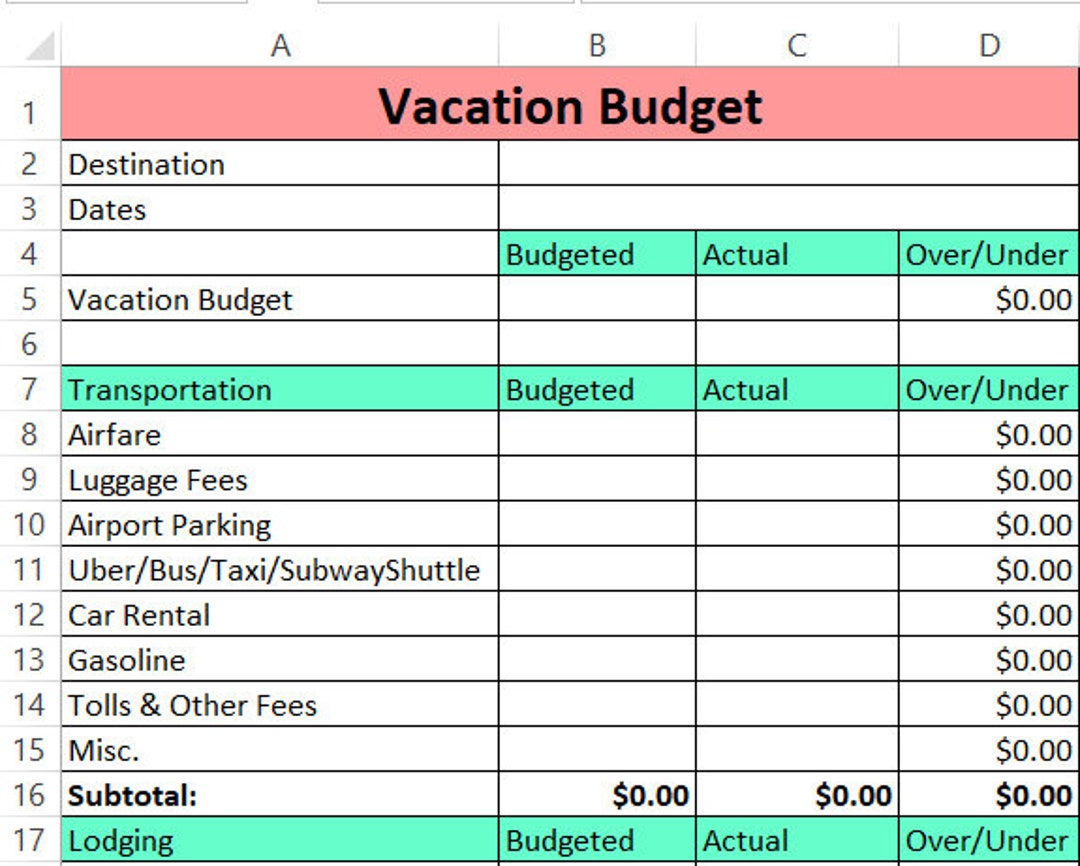
Tracking your spending is crucial for staying on budget. Use a budgeting app or spreadsheet to record all your expenses. Regularly review your budget and make adjustments as needed. Be realistic about your spending and prioritize your needs over your wants.


No comments yet. Be the first to share your thoughts!