

The AI Shopping Shift
Finding a good deal used to mean hours spent clipping coupons or endlessly scrolling through websites. That feels like ancient history now; even last year’s deal-hunting strategies seem slow. The online shopping experience has changed dramatically, and so have the ways we save money. The biggest shift? Artificial intelligence is now actively finding those savings for us.
We're no longer passively waiting for a sale; we have an intelligent assistant constantly on the lookout. The frustration of missing out on discounts or overpaying for items is disappearing. Eugene Kadzin and the team at Tech Sales With Higher Levels document a surge in AI-powered sales tools, showing this isn't a future trend—it's happening now.
Kadzin’s recent video, "I Ranked The Best AI Offers To Sell In 2026,’ shows how quickly the market for these tools is evolving. Tech Sales With Higher Levels" analysis of $750,000 in new AI-driven deals highlights the demand for automation and personalization in sales—principles now applied to how we shop.

AI Agents: Your Personal Deal Finders
AI agents are at the heart of this shift. These software programs automate finding and applying discounts. Think of them as your personal shopping assistants, tirelessly searching for the best prices across the web. They aren't just simple coupon clippers; they actively compare prices, track promotions, and can even predict when prices are likely to drop.
Eugene Kadzin mentions "AI Setter," a tool for automated appointment setting, as an example of this principle extending to bargain hunting. These agents are evolving beyond basic browser extensions, becoming more integrated into our shopping workflows, accessible through apps, and built into existing platforms.
Automation is key. You tell the agent what you’re looking for, and it handles the rest. No more manually searching for promo codes or comparing prices on multiple websites. It’s about reclaiming your time and ensuring you always get the best possible deal.
Beyond Browser Extensions: Smarter Automation
Early AI deal hunting relied on basic browser extensions that scanned for coupons. While those tools still have their place, we're now seeing a move toward more sophisticated, all-in-one platforms. These platforms integrate with a wider range of retailers and services, offering a more comprehensive savings solution.
Kadzin’s coverage also highlights tools like GoHighLevel, originally designed for sales automation, demonstrating a broader trend. The underlying technology—the ability to automate tasks, personalize offers, and analyze data—is being repurposed for consumer applications. This means more than just finding a discount; it’s about creating a seamless, "set it and forget it" savings experience.
These platforms aren’t just reactive; they’re proactive. They learn your shopping habits, anticipate your needs, and alert you to deals on items you frequently purchase. This is a significant leap beyond simply searching for a coupon when you're ready to buy. It’s about preventing you from overpaying in the first place.
How Sales Teams are Using AI – and What it Means for You
Insights from Tech Sales With Higher Levels are particularly relevant. Their analysis of successful AI sales strategies—those driving significant revenue—emphasizes personalization and understanding customer needs. The most effective AI sales tools don’t just blast generic offers; they tailor promotions to individual preferences and behaviors.
This translates directly to AI deal hunting. It’s not just about finding a coupon; it’s about finding the best coupon for you. An AI agent that understands your brand preferences, shopping history, and budget is far more valuable than one that simply lists every available discount.
Successful AI sales teams use data to predict what customers want before they know it themselves. The same principle applies to smart shopping. AI can analyze your past purchases to identify potential savings on items you’re likely to need or want, offering proactive recommendations and personalized deals.
- Personalized recommendations: AI suggests deals based on your shopping history.
- Proactive alerts: Get notified of price drops on items you’re interested in.
- Tailored discounts: Receive offers that align with your brand preferences.
Amazon's AI Advantage
Amazon dominates online retail, and they’re heavily invested in AI. The platform uses AI to personalize product recommendations, dynamically adjust pricing, and optimize its logistics network. This means Amazon constantly works to show you the best possible price, but it doesn’t always reveal every possible saving.
Third-party AI tools can augment Amazon's built-in features, helping you uncover better deals and hidden discounts. These tools track price history, allowing you to see how much an item has cost in the past and identify potential drops. They also alert you to lightning deals and limited-time promotions.
For example, tools like Keepa (though not a fully AI-powered agent) provide detailed price charts and historical data for Amazon products. While not fully automated, they offer valuable insights that help you make informed purchasing decisions. The combination of Amazon's AI and these external tools creates a powerful savings ecosystem.
- Keepa: Tracks Amazon price history and provides price drop alerts.
- CamelCamelCamel: Similar to Keepa, offering price tracking and alerts.
- Honey: (While broader than Amazon) can automatically find and apply coupons.
Featured Products
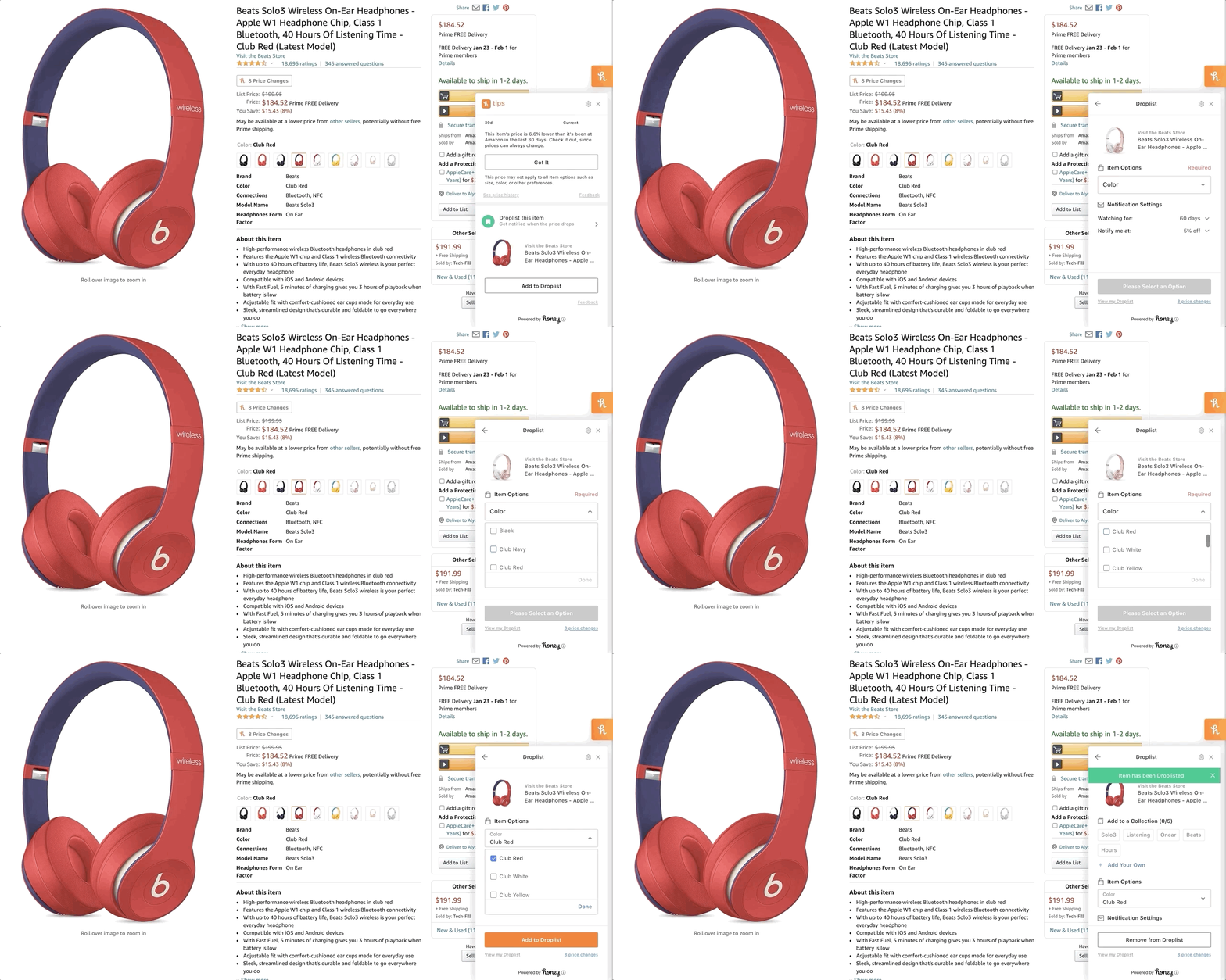
Automatically applies coupon codes at checkout · Tracks price history for items on Amazon and other retailers · Earns rewards points on eligible purchases
Honey is a leading browser extension that uses AI to scour the internet for the best available discounts and automatically apply them, saving shoppers time and money.
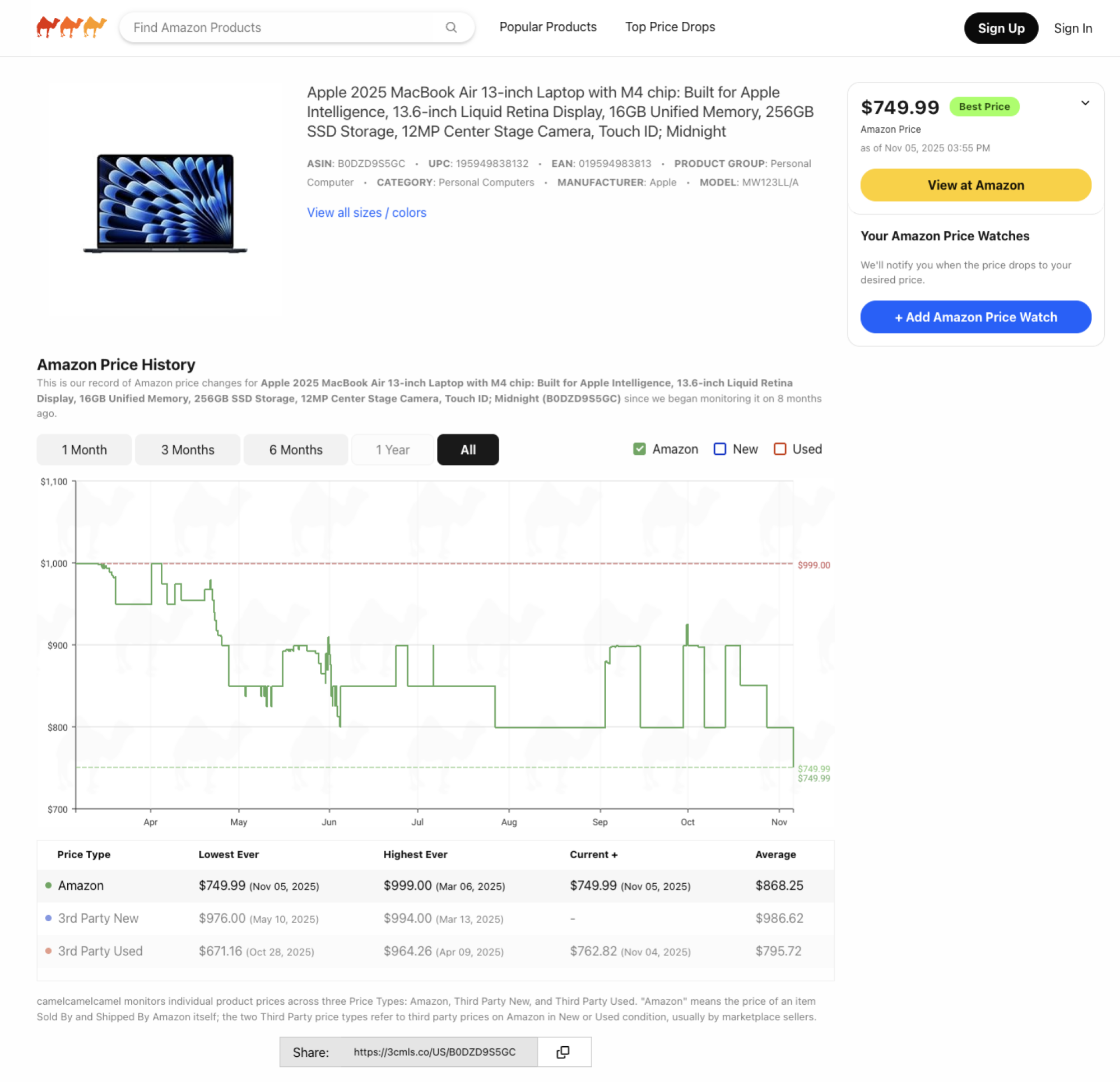
Monitors Amazon prices and alerts users to drops · Provides historical price charts · Tracks product sales rank
CamelCamelCamel is an indispensable tool for Amazon shoppers, leveraging data analysis to help users buy at the optimal time by tracking price fluctuations.
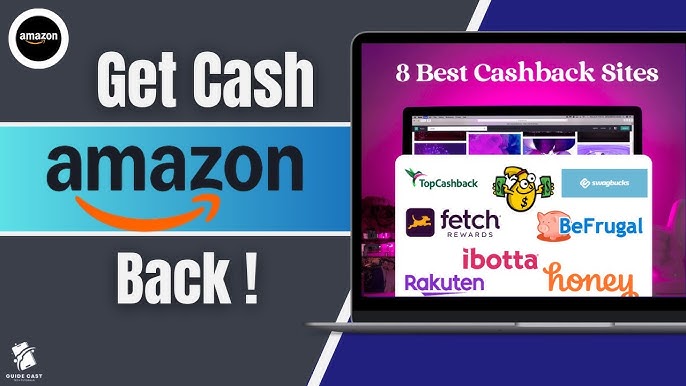
Offers cash back on purchases from thousands of online stores · Provides access to exclusive coupons and deals · Browser extension for easy activation of rewards
Rakuten's AI-powered platform identifies opportunities for users to earn significant cash back and access special offers, making every purchase more rewarding.
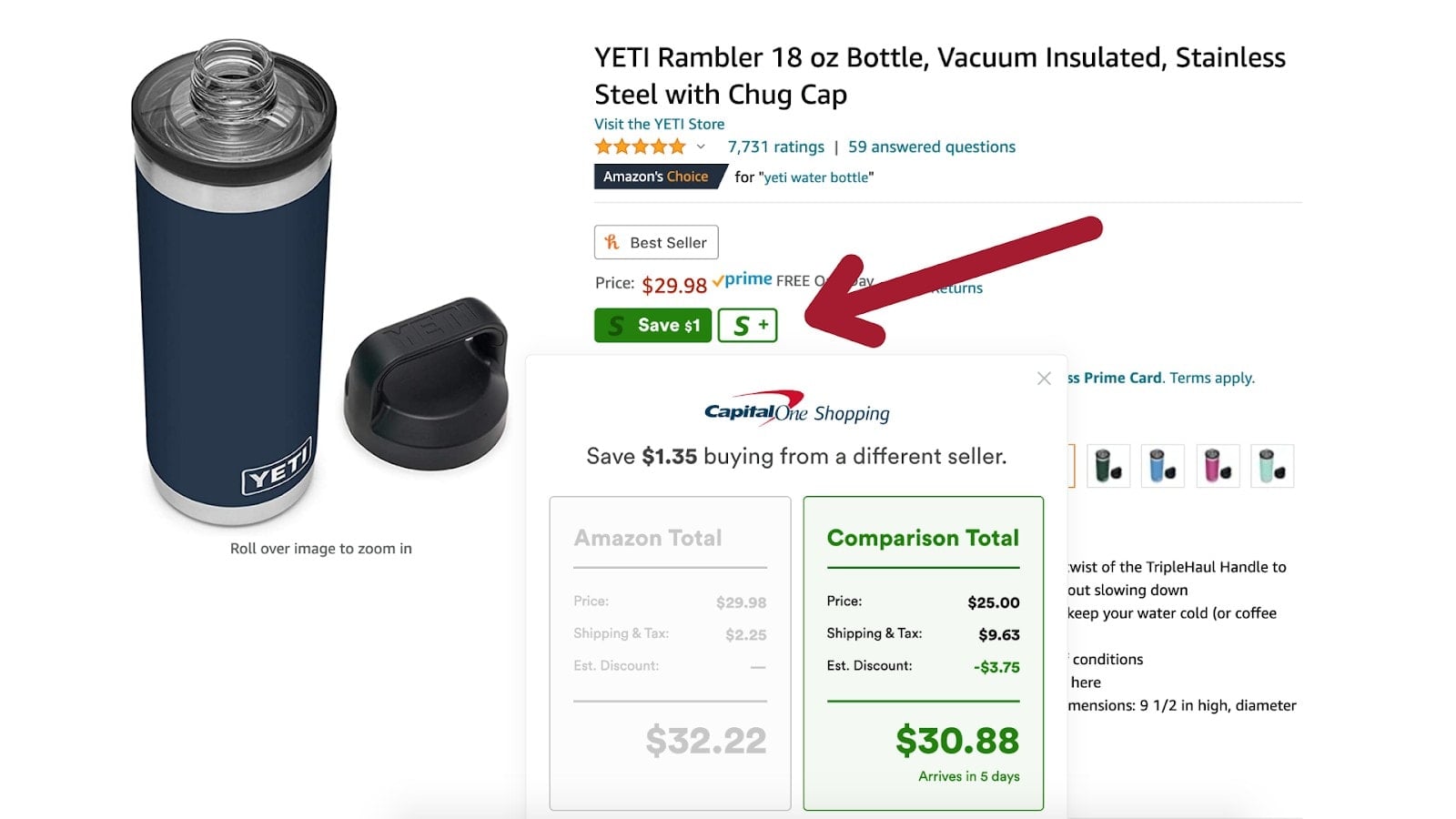
Compares prices across numerous online retailers in real-time · Automatically finds and applies available coupon codes · Earns rewards points for future discounts
Capital One Shopping acts as a smart shopping assistant, using AI to ensure users are getting the best price available by comparing options and finding hidden savings.
As an Amazon Associate I earn from qualifying purchases. Prices may vary.
Privacy and Security: The AI Deal Hunter Trade-Off
AI-powered deal hunting's convenience comes with a trade-off: data privacy. These tools need to collect information about your shopping habits to personalize recommendations and find relevant discounts. This data can include your purchase history, browsing activity, and demographic information.
Understand what data these tools collect and how it’s used. Always read the privacy policy before signing up for any service. Look for providers transparent about their data practices with clear opt-out options. Be wary of tools requesting excessive permissions or access to sensitive information.
While AI-powered savings offer significant benefits, be mindful of the risks. Protecting your data is paramount. Use privacy-focused browsers and ad blockers to limit tracking, and regularly review permissions granted to your apps and extensions.
Future Trends: What's Next for AI Shopping?
AI deal hunting is just beginning to evolve. Expect more personalized recommendations, driven by increasingly sophisticated algorithms. AI agents may eventually negotiate prices on our behalf, automatically bidding on items to secure the best possible deal.
Voice-activated shopping is another trend to watch. Imagine simply telling your AI assistant, "Find me the cheapest flights to Hawaii," and having it automatically search for and book the best option. The integration of AI with virtual assistants like Alexa and Google Assistant will make shopping even more seamless and convenient.
Perhaps most importantly, AI has the potential to identify and flag misleading deals or price gouging. By analyzing pricing patterns and comparing prices across retailers, AI can help consumers avoid scams and ensure they’re getting a fair price. This could lead to a more transparent and trustworthy online shopping experience.
- Automated negotiation: AI agents bid on items to secure the best price.
- Voice-activated shopping: Seamless shopping through virtual assistants.
- Fraud detection: AI identifies and flags misleading deals.
AI Deal Hunting: Standout Tools
While the market is rapidly expanding, a few AI deal-hunting tools are already making a name for themselves. Capital One Shopping (formerly Wikibuy) is a popular option, offering automatic coupon finding and price comparison across multiple retailers. It’s best suited for casual shoppers who want a simple, hassle-free way to save money.
For frequent Amazon shoppers, Keepa remains an invaluable resource. While not a fully automated agent, its detailed price tracking and historical data can help you identify the best time to buy. It is ideal for those who are patient and willing to monitor prices over time. Keepa’s basic features are free, but a paid subscription unlocks additional functionality.
Honey is a well-established browser extension that automatically finds and applies coupons at checkout. It’s a solid all-around option, suitable for a wide range of shoppers. Honey also offers cash back rewards at select retailers. However, it's important to note that Honey was acquired by PayPal, so data privacy concerns have been raised by some users.
AI-Powered Deal Hunting Tools: A Comparative Overview (2026)
| Tool Name | Best For | Key Features | Data Privacy | Price |
|---|---|---|---|---|
| Honey | General Coupon Finding & Cashback | Automatic coupon application at checkout, price tracking, cashback rewards. | Medium | Free |
| Rakuten | Cashback & Rewards | Extensive cashback offers across many retailers, browser extension, in-store cashback options. | Medium | Free |
| Capital One Shopping | Price Comparison & Coupon Application | Automatic price comparison across retailers, coupon finding, and price drop alerts. | Medium | Free |
| RetailMeNot | Coupon Codes & Cash Back | Large database of coupon codes, cash back offers, and in-store discounts. | Medium | Free |
| GoHighLevel | Marketing Automation & Deals (for businesses) | Offers AI-powered tools for marketing and sales, potentially including deal promotion and customer segmentation. | Medium | Paid |
| AI Setter | Appointment Setting & Sales Automation | Utilizes AI to automate appointment setting, which can indirectly assist in finding and promoting deals. | Medium | Paid |
Illustrative comparison based on the article research brief. Verify current pricing, limits, and product details in the official docs before relying on it.




No comments yet. Be the first to share your thoughts!