

Understanding the Budgeting Process: A Comprehensive Guide
Ever wondered why your wallet feels lighter at the end of the month, even when you've been careful with your spending? The answer could lie in your recurring expenses. Welcome to our comprehensive guide where the budgeting process is explained in a way that's easy to understand and apply. We'll take you on a journey through the world of recurring expenses and budgeting, providing you with savvy tips to save money on groceries, transportation, utilities, day-to-day expenses, and even gas.
Imagine a world where you're not just surviving from paycheck to paycheck, but actually thriving, with money left over for the things you love. Sounds good, doesn't it? Well, it's not just a dream. With a clear understanding of your recurring expenses and a well-planned budget, this can be your reality.
Whether it's the weekly grocery run, the monthly utility bills, or the daily commute to work, recurring expenses can add up and take a significant chunk out of your budget. But what if you could learn how to look at these recurring expenses differently? What if you could find ways to save on these regular outgoings and free up more of your hard-earned money?
Stay with us as we delve into the nitty-gritty of budgeting, offering practical tips for saving money on day-to-day expenses. We'll show you how to trim your food budget, cut down on transportation costs, and reduce utility bills. We'll even share some practical tips for cutting down your gas budget.
Ready to take control of your finances and start saving more? Let's dive in and discover how to maximize your savings and enjoy a shopping spree without breaking the bank.
The Role of Recurring Expenses in Your Budget
Stepping into the realm of recurring expenses and budgeting, let's first understand their role in your budget. Recurring expenses are those predictable costs that knock on your door every month. They're like the rhythm section of a band, setting the beat for your financial symphony. From your Netflix subscription to your electricity bill, these expenses form a substantial part of your budget. But, have you ever stopped to think about their impact on your financial health?
Imagine your budget as a ship. Your recurring expenses are the anchor that can either keep you steady or drag you down. By understanding how to look at recurring expenses, you can ensure they're not weighing you down, but rather keeping you stable amidst the financial waves. It's all about balance!
Let's say you're spending a significant amount on groceries every month. By using our save money on groceries tips, you could trim that expense and have more to allocate elsewhere. The same goes for transportation and utilities. With our tips for saving money on transportation and utilities, you could significantly reduce these costs, freeing up more of your budget for savings or other expenses.
And what about the money you spend on gas? It's a recurring expense that often goes unnoticed. But with our practical tips for saving money on gas, you could see a significant reduction in this area too.
Remember, every dollar saved on recurring expenses is a dollar added to your savings. So, take the time to understand your recurring expenses, use our tips to reduce them, and watch your savings grow. After all, who doesn't love a shopping spree that doesn't break the bank?
So, are you ready to take a closer look at your recurring expenses? Let's dive deeper and explore how they can be managed effectively to maximize your savings.
How to Effectively Analyze Your Recurring Expenses
Embarking on the journey of budgeting process explained, we now delve into how to effectively analyze your recurring expenses. It's like being a detective in your own financial mystery, seeking clues to unlock significant savings. So, how do you start?
First, take a comprehensive look at your recurring expenses. This includes everything from your monthly rent or mortgage, utility bills, subscriptions, and even the money you spend on gas. It's essential to have a clear picture of where your money is going each month. You might be surprised at what you find. Perhaps you're spending more on takeout than you thought, or your streaming subscriptions are adding up.
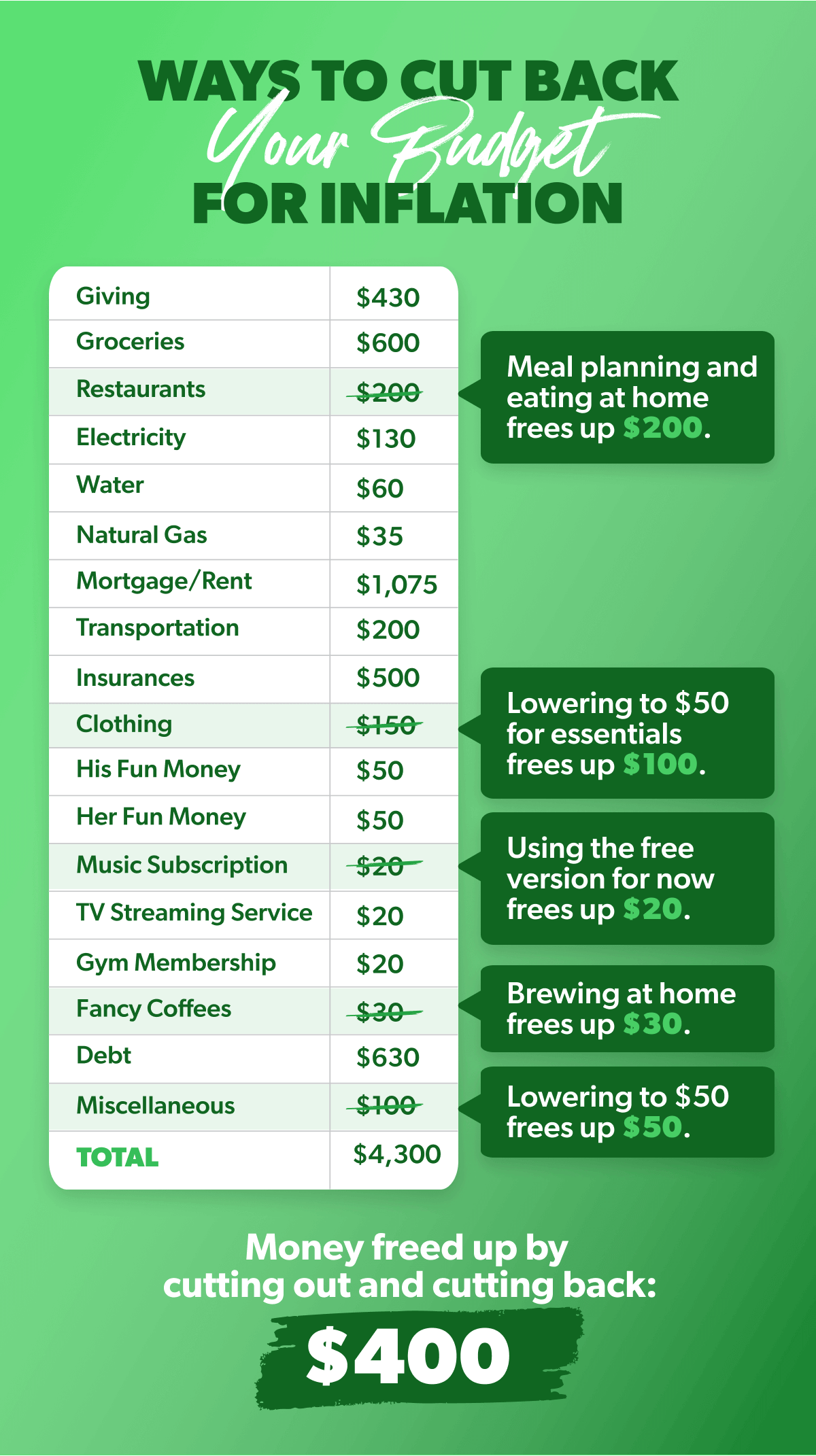
Once you've identified your recurring expenses, it's time to scrutinize them. Are there areas where you can cut back? For example, could you save money on groceries by planning meals and shopping sales? Or perhaps you could save money on transportation by carpooling or using public transit more often. Even small changes can have a big impact on your budget.
Next, consider your utility bills. Are there ways you could be more energy efficient and save money on utilities? Simple changes like turning off lights when you leave a room, or using energy-efficient appliances can add up to significant savings over time.
And let's not forget about gas expenses. With our practical tips for saving money on gas, such as maintaining your vehicle for optimal fuel efficiency and planning your routes to minimize driving, you can keep this recurring expense in check.
Remember, the goal is not to eliminate your recurring expenses, but to manage them effectively. By understanding where your money is going and making conscious decisions about your spending, you can make your recurring expenses work for you, not against you. And the result? More money in your pocket for that guilt-free shopping spree you've been dreaming of. So, are you ready to become a master of your recurring expenses?
Grocery Savings: Tips to Trim Your Food Budget
Now that we've navigated the maze of recurring expenses and budgeting, let's turn our attention to one of the most significant areas of spending: groceries. With a few savvy strategies, you can trim your food budget without compromising on taste or nutrition. So, how can you save money on groceries? Let's dive in.
Firstly, consider planning your meals for the week. This simple step not only saves you time but also prevents impulse buys and reduces food waste. Remember, a little planning goes a long way!
Next, make a shopping list and stick to it. It's easy to get tempted by those end-of-aisle displays or the latest snack trend. But if it's not on your list, it doesn't go in your cart. This strategy will keep your grocery bill—and your waistline—in check.
Another tip is to shop sales and use coupons. GreatBuyz is a fantastic resource for finding the best deals and coupons. Why pay full price when you can get it for less? Plus, you can even plan your meals around what's on sale for extra savings.
And don't forget about store brands. Often, they're just as good as name brands but at a fraction of the cost. It's a simple switch that can lead to big savings over time.
Lastly, consider buying in bulk for non-perishable items. Items like rice, pasta, and canned goods often cost less per unit when bought in larger quantities. Just make sure you have the storage space and will use the items before they expire.
By incorporating these tips into your shopping routine, you can significantly reduce your grocery bill. And remember, every dollar saved is a dollar earned. So why not put those savings towards your next guilt-free shopping spree?
Stay tuned as we continue our journey through the budgeting process explained, with our next stop being transportation costs. Can you save money on transportation without sacrificing convenience? You bet! But that's a story for another section.
Cutting Down on Transportation Costs: A Key to Budgeting Success
As we continue our journey through the budgeting process explained, we now shift gears to focus on transportation costs. Just like groceries, transportation is a significant part of our recurring expenses. So, how can we save money on transportation without compromising on convenience? Let's hit the road and find out!
First off, consider carpooling or using public transportation. Not only is this a more sustainable choice, but it can also save you a considerable amount of money on gas and maintenance costs. Think about it: fewer trips mean less wear and tear on your vehicle and fewer trips to the gas station. Plus, it's a great way to reduce your carbon footprint!
Next, if you live close to your workplace or grocery store, why not consider walking or biking? It's a fantastic way to stay fit and save money on transportation. And who knows? You might even discover a new favorite coffee shop or park along the way.
Another tip is to maintain your vehicle regularly. It might seem counterintuitive to spend money on maintenance, but it can actually save you money in the long run. Regular oil changes, tire rotations, and brake checks can prevent costly repairs down the line. Plus, a well-maintained vehicle is more fuel-efficient, helping you save money on gas.
Finally, consider using apps like GreatBuyz to find deals on gas stations or car services. Why pay more when you can pay less? It's all about being savvy and making the most of the resources available to you.
By incorporating these tips into your daily routine, you can significantly cut down your transportation costs. Remember, every penny saved on transportation is a penny that can go towards your next shopping spree. So, are you ready to take the wheel and drive your way to budgeting success?
Stay tuned as we continue to explore more ways to save money on recurring expenses and budgeting. Next up: utilities. Can you really save money on utilities without sacrificing comfort? Absolutely! But that's a story for our next section.
Reducing Utility Bills: A Simple Way to Save Money
As we delve deeper into the world of recurring expenses and budgeting, we turn our attention to an often overlooked aspect of our monthly outgoings: utility bills. The question is, can you really save money on utilities without compromising on your comfort? The answer is a resounding yes! Let's dive in and see how.
Firstly, let's talk about energy consumption. Are you using energy-efficient appliances? If not, it might be time to consider an upgrade. Energy-efficient appliances not only reduce your carbon footprint but also significantly lower your monthly utility bills. It's a win-win situation!
Next, consider making small changes in your daily habits. Turning off lights when you leave a room, unplugging devices when they're not in use, and washing clothes in cold water are simple ways to save money on utilities. Remember, every little bit helps when it comes to saving money on day to day expenses.
What about your water usage? Are you mindful of how much water you use daily? Simple actions like taking shorter showers, fixing leaky faucets, and using a dishwasher instead of washing dishes by hand can make a noticeable difference in your water bill.
Finally, don't forget to use GreatBuyz for the best deals on utilities. From discounts on energy-efficient appliances to deals on water-saving devices, GreatBuyz is your ultimate destination for saving money on utilities. Why pay more when you can pay less?
By incorporating these tips into your budgeting process, you can significantly reduce your utility bills without sacrificing comfort. So, are you ready to take control of your utility bills and save money? Remember, every penny saved on utilities is a penny that can go towards your next shopping spree. Stay tuned as we continue to explore more ways to save money on recurring expenses and budgeting. Next up: day-to-day expenses. But that's a story for our next section.
Day-to-Day Expenses: Strategies for Saving More
Transitioning from utilities, let's now navigate the labyrinth of day-to-day expenses. These are the costs that nibble away at your budget, often unnoticed. But fear not, we're here to help you strategize and save more.
Firstly, let's tackle the grocery monster. Do you often find yourself shocked at the total when you check out at the supermarket? You're not alone. But with a few savvy strategies, you can significantly reduce your grocery bill. Plan your meals in advance, make a shopping list, and stick to it. Resist the temptation of impulse buys. Also, consider buying in bulk for non-perishable items. And remember, GreatBuyz is your best ally for save money on groceries tips, offering amazing deals and discounts on a wide range of products.
Moving on to transportation, another major player in recurring expenses. Have you considered carpooling, public transport, or even cycling to work? These alternatives not only save money but also contribute to a greener planet. If driving is unavoidable, efficient route planning and regular vehicle maintenance can help you save money on gas.
Lastly, let's not forget about the little things that add up. Small changes in your daily habits can lead to big savings. Do you really need that daily coffee from the expensive café, or could you brew your own at home? Could you cut down on dining out and try new recipes at home instead? Remember, every penny counts when it comes to tips for saving money on day to day expenses.
By incorporating these strategies into your budgeting process, you can gain control over your recurring expenses and save more. Ready to embrace a smarter way of spending? Stay tuned as we continue our journey through the budgeting process explained, with a focus on gasoline expenses in our next section.
Dive into the World of Budgeting: Your First Step Towards Financial Freedom 🚀
Welcome to the world of budgeting, a crucial stepping stone on your path to financial freedom! Ever wondered how some people seem to have their finances under control, while others constantly struggle? The secret lies in understanding the budgeting process, and more specifically, in recognizing the role of recurring expenses in your budget.
What are recurring expenses, you ask? They are predictable, regular costs that you have to pay every week, month, or year. Think about your rent or mortgage, utility bills, subscriptions, groceries, transportation, and gas. These are all recurring expenses that form a significant part of your budget.
Understanding your recurring expenses is like having a roadmap for your financial journey. It helps you anticipate your spending, plan for savings, and avoid financial pitfalls. The key is not just to track them but to review and adjust them regularly. This is where our 'budgeting process explained' guide comes into play.
Want to know how to look at recurring expenses and make them work for your budget? Curious about tips for saving money on day to day expenses, or how to save money on groceries and transportation? Stick with us, and we'll unravel the secrets of successful budgeting together!
And remember, budgeting doesn't mean you have to give up on shopping or enjoying life's little pleasures. With GreatBuyz, you can find the best deals and coupons to save on your recurring expenses. Imagine enjoying a shopping spree without breaking the bank! Ready to dive in? Let's get started!

Spot the Repeat Offenders: Why Identifying Recurring Expenses is a Game Changer 💡
Understanding the importance of identifying recurring expenses is a game-changer in the financial planning process. Why, you ask? Because it's like having a crystal ball that helps you predict your future spending and savings. Just imagine being able to foresee your financial future and plan accordingly!
Recurring expenses are those pesky repeat offenders in your budget, such as groceries, transportation, utilities, and gas. They show up month after month, often consuming a large chunk of your income. But here's the silver lining: since they're predictable, you can plan for them and even find ways to reduce them.
Let's say you've been spending a significant amount on groceries every month. By identifying this as a recurring expense, you can use tips to save money on groceries to cut down your costs. Maybe you can start shopping at a cheaper store, use coupons, or buy in bulk. The same strategy can be applied to other recurring expenses. For instance, you can save money on transportation by carpooling, or save money on utilities by being more energy-efficient.
Identifying recurring expenses also helps you spot any unnecessary spending. Are you paying for a gym membership you never use? Or a streaming service you rarely watch? These are the perfect examples of recurring expenses that can be eliminated to boost your savings.
So, by keeping a close eye on your recurring expenses, you can take control of your financial future. You can predict your spending, plan your savings, and enjoy a shopping spree without breaking the bank. Now, with the help of incremental budgeting, isn't that a win-win situation?
Average Allocation of Recurring Expenses
Timing is Everything: The Best Moments to Review Your Recurring Expenses ⏰
So, when is the ideal time to review your recurring expenses? The answer is - there's no one-size-fits-all approach, but there are certain scenarios that make it a must. One such scenario is the year-end review. As you bid adieu to the old year and welcome the new, it's a great time to reflect on your spending habits. Did you overspend on utilities or did you manage to save money on groceries with savvy shopping tips? This is the time to evaluate and plan for the year ahead.
Another crucial time to reassess your budget is when there are changes in your income. Got a raise? Congratulations! But before you splurge on that designer bag, consider how you can allocate this extra income towards your savings or investments. On the flip side, a decrease in income means you'll need to tighten your budget. This might involve finding ways to save money on transportation or cutting down on non-essential subscriptions.
Changes in lifestyle, such as moving to a new city or starting a family, also warrant a review of your recurring expenses. Your cost of living might increase or decrease, and your budget needs to reflect that. Lastly, unexpected expenses like medical bills or car repairs can throw your budget off balance. When life throws you a curveball, it's time to revisit your budget and make necessary adjustments. For these unexpected expenses, you can refer to our guide on budgeting for life's unexpected events.
Remember, the key to effective budgeting is regular review and adjustment. So, are you ready to take control of your recurring expenses and maximize your savings?
Understanding When to Review Your Recurring Expenses
Test your understanding of when to review your recurring expenses with this short quiz. The questions are based on the scenarios discussed in the article.
Learn more about 🔍 Understanding When to Review Your Recurring Expenses or discover other GreatBuyz quizzes.
Master the Art of Reviewing Recurring Expenses: A Step-by-Step Guide 🕵️♀️
Embarking on the journey of reviewing your recurring expenses? Here's your roadmap! The first step in this process is to compile a list of all your recurring expenses. This includes everything from your rent or mortgage, utilities, groceries, transportation costs, to subscriptions. The more detailed your list, the better. If you're unsure about how to effectively manage your budget, especially if you're on a tight income, you can check out this FAQ for guidance.
Next, categorize these expenses. Some, like rent or utilities, are fixed and non-negotiable. Others, such as groceries or gas, are variable and offer more room for adjustment. Ask yourself: Are there any areas where you could potentially save? Could you, for instance, cut down on your grocery bill by planning meals and shopping sales? Or perhaps you could save on gas by carpooling or using public transportation? For more tips on creating a successful budgeting plan, you can visit this FAQ.
Now, it's time for some detective work. Review each expense and ask: Is this necessary? Is there a cheaper alternative? Could I negotiate a better rate? For instance, you might find that you're paying for a gym membership you rarely use, or that you could save on utilities by being more energy-efficient.
Finally, make the necessary adjustments. This might mean cancelling unnecessary subscriptions, switching to a cheaper provider, or simply being more mindful about your day-to-day spending. Remember, every little bit helps when it comes to saving money!
And here's a pro tip: Don't forget to take advantage of deals and coupons to further reduce your expenses. Websites like GreatBuyz can be a gold mine for savings on everything from groceries to clothing. So why not make the most of it? If you're planning to travel, you might find this FAQ on how to budget your money for travel and savings helpful.

Embrace the Future: How Budgeting Tools Can Revolutionize Your Finances 🛠️
Embrace the digital age and let technology simplify your finances. Budgeting tools and apps have become game-changers in managing and reviewing recurring expenses. They offer an easy and efficient way to keep track of your spending, helping you understand where your money goes each month.
Ever wondered how much you spend on groceries each month? Or how your transportation costs stack up against your utilities? Budgeting apps can provide these insights at a glance. They categorize your expenses, making it easier to identify areas where you can save. For instance, you might discover you're spending more than necessary on gas and decide to carpool or use public transportation more often.
These tools can also alert you when you're nearing your budget limit or when a bill is due, helping you avoid late fees and overspending. And the best part? Many of these apps sync with your bank account, automating the budgeting process and saving you time.
So, why not let technology do the heavy lifting? By using budgeting tools, you can focus more on making smart financial decisions and less on crunching numbers. Remember, every penny saved is a penny earned!
Comparison of Popular Budgeting Apps
To help you get started, we've compared some of the most popular budgeting apps available today. Each of these apps offers unique features designed to help you manage your recurring expenses efficiently.
| App Name | Cost | Platform | Syncs with Bank Account | Expense Categorization | Alerts | User Rating |
|---|---|---|---|---|---|---|
| Mint | Free | iOS, Android | ✅ | ✅ | ✅ | ⭐⭐⭐⭐ |
| You Need a Budget (YNAB) | $11.99/month or $84/year | iOS, Android, Web | ✅ | ✅ | ✅ | ⭐⭐⭐⭐⭐ |
| PocketGuard | Free / Plus $3.99/month | iOS, Android | ✅ | ✅ | ✅ | ⭐⭐⭐⭐ |
| Goodbudget | Free / Plus $6/month or $50/year | iOS, Android, Web | ❌ | ✅ | ✅ | ⭐⭐⭐⭐ |
| EveryDollar | Free / Plus $129.99/year | iOS, Android, Web | ✅ | ✅ | ✅ | ⭐⭐⭐⭐ |
Choosing the right app depends on your personal preferences and budgeting needs. Once you've selected a tool, the next step is to start identifying areas where you can reduce your recurring expenses.
Shrink Your Bills: Practical Tips to Reduce Recurring Expenses 📉
Looking to trim down your recurring expenses? You're in the right place! Let's start with unnecessary subscriptions. Do you really watch all 200 channels on your cable TV? Or read all the magazines you're subscribed to? If not, it's time to cut the cord. Go through your bank statements and cancel any subscriptions you no longer need or use. If you're unsure about how to budget effectively, especially if you're earning less than 30k a year, you might find this guide helpful.
Next, let's talk about groceries. With a bit of planning, you can save a significant amount on your grocery bills. Create a meal plan, make a shopping list, and stick to it. Avoid impulse buys and try to shop sales. Also, consider using GreatBuyz to find the best deals and coupons for your groceries. For more tips on budgeting and saving money, check out this FAQ.
How about your utilities? Small changes can lead to big savings. Unplug electronics when they're not in use, switch to energy-efficient light bulbs, and consider a programmable thermostat. These changes not only save money but also help the environment.
Transportation costs can also eat into your budget. Can you carpool, use public transportation, or even bike to work? If driving is a must, try to combine errands to save on gas. If you're planning a trip, you might want to learn how to manage your daily travel budget. Again, GreatBuyz can be a great resource for finding deals on gas stations.
Lastly, don't be afraid to negotiate. Whether it's your gym membership or cable bill, it never hurts to ask for a better deal. Remember, the key is to be polite but persistent. If you're an entrepreneur, you might find this guide on cost budgeting particularly useful.
By implementing these tips, you'll be amazed at how much you can save on your recurring expenses. So, are you ready to start saving?
Unlock Savings: How GreatBuyz Can Help You Save Big on Recurring Expenses 🎁
Looking to save money on recurring expenses? GreatBuyz is your secret weapon. This platform is a goldmine for the best deals and coupons, helping you save on everything from groceries to clothing and more. Imagine cutting down your grocery bill by a significant margin because you found a fantastic deal on GreatBuyz. Or scoring a coupon that gives you a hefty discount on that pair of shoes you've been eyeing. Sounds good, right?
But GreatBuyz isn't just about the occasional big save. It's about consistent, everyday savings that add up over time. What if you could save even just a few dollars on your weekly grocery run? Or shave off a little from your monthly utility bills? Over a year, these savings could amount to a substantial sum. That's the power of GreatBuyz. It helps you find those small, consistent savings that can make a big difference in your budgeting.
And the best part? GreatBuyz makes it incredibly easy. No need to spend hours scouring the internet for deals or haggling for discounts. GreatBuyz does the hard work for you, compiling the best deals and coupons in one convenient place. So why not give it a try? Start exploring GreatBuyz today and see how much you could save on your recurring expenses.
Mention how GreatBuyz can help find the best deals and coupons to save on recurring expenses like groceries, clothing, etc.
...
Your Financial Journey: The Power of Regularly Reviewing Recurring Expenses 🌈
Wrapping up our journey through the budgeting process, we've uncovered the critical role that recurring expenses play in our financial health. It's clear that a regular review of these expenses is not just a good idea, it's a necessity. Why? Because it allows us to predict our future spending, identify potential savings, and adjust our budgets accordingly.
Think about it: How much could you save if you cut down on unnecessary subscriptions or negotiated better deals on your utilities? What if you could find the best deals and coupons for your day-to-day expenses like groceries and transportation? The answer is, quite a lot!
That's where GreatBuyz steps in. With its treasure trove of deals and coupons, you can easily save money on groceries, transportation, utilities, and more. Imagine the joy of going on a shopping spree without worrying about breaking the bank!
So, are you ready to take control of your recurring expenses? Remember, the key to a successful budgeting process is regular review and adjustment. And with the right tools and strategies, you can make your money work harder for you. After all, who doesn't want to enjoy more savings and less stress?
How often do you review your recurring expenses?
Let's get a sense of how often our readers are checking in on their recurring expenses. This helps us understand your budgeting habits better and provide you with more relevant tips and deals.

No comments yet. Be the first to share your thoughts!